

Get a quick blog summary with
Agentic AI refers to artificial intelligence systems that can set goals, make decisions, and take actions with limited human input while operating within defined boundaries. Instead of waiting for a prompt and responding once, these systems plan steps, use tools, check results, and adjust their behavior until a goal is met.
This matters in 2026 because many organizations are moving beyond simple chatbots and automation scripts. They want systems that can handle multi-step tasks, operate continuously, and support human teams without constant supervision. For service buyers and technology decision-makers, this shift affects how work is done, how costs are managed, and how responsibility is assigned.
To understand the impact clearly, we need to look past buzzwords and focus on how these systems actually function in real environments.
Agentic AI Meaning Explained Simply
The term “agentic” comes from the idea of an agent, something that can act toward a goal. In practical terms, agentic ai meaning is simple: it describes AI that does more than respond. It decides what to do next.
Traditional AI systems are reactive. You give input, they produce output, and they stop. Agentic systems continue working until a task is completed or a stopping condition is reached.
For example:
- A chatbot answers a question and ends the interaction.
- An agentic system receives a goal like “resolve this customer issue,” checks account data, drafts a response, submits a ticket, follows up, and escalates if needed.
This shift from response-based to goal-based behavior is the core difference.
Looking for? Best Agentic Automation Solution providers
From Traditional Automation to Autonomous AI
Traditional automation was designed to follow instructions exactly as written. A human defined every rule in advance, and the system executed those rules without interpretation. This approach worked well when processes were simple and predictable.
Common characteristics of traditional automation include:
- Clear “if–then” rules written by developers
- Limited ability to handle variation or ambiguity
- One-time execution rather than continuous follow-up
- Heavy dependence on manual updates when conditions change
For example, if a customer submits a support form, the system sends a predefined email. If a server fails, an alert is triggered. These systems are reliable, but only within narrow boundaries. The moment inputs vary — different wording, missing data, or unexpected scenarios — the automation either stops or behaves incorrectly.
As digital operations became more complex, this rigidity created friction. Teams had to constantly rewrite rules, manage exceptions, and monitor failures. Automation reduced some workload, but it also introduced ongoing maintenance costs.
Do you know? AI Agents Are Disrupting Traditional Business Processes
How Autonomous AI Extends Automation in Practice
Autonomous AI changes the structure of automation by focusing on goals instead of fixed steps. Rather than being told exactly what to do at each point, the system is given an objective and allowed to decide how to reach it within defined limits.

Key differences in this approach include:
- The system evaluates context instead of matching rules
- It selects actions dynamically based on current data
- It can pause, retry, or change direction when results differ
- It continues operating until the goal is met or stopped
For instance, instead of being instructed to send a specific message when an order is delayed, the system is tasked with resolving the delay. It may check shipping data, review customer history, choose a response, and confirm whether the issue is resolved. If the first action fails, it adjusts rather than stopping.
This does not remove human control. Permissions, constraints, and escalation rules are still defined by people. The difference is that the system handles the decision flow on its own, reducing the need to anticipate every possible scenario.
In simple terms, traditional automation follows instructions. Autonomous AI manages outcomes. That shift explains why modern systems are better suited for environments where conditions change and decisions matter.
Read once! Why Partnering with Top Agentic AI Companies Can Accelerate Innovation and Business Growth?
Key Components That Power Agentic AI Systems
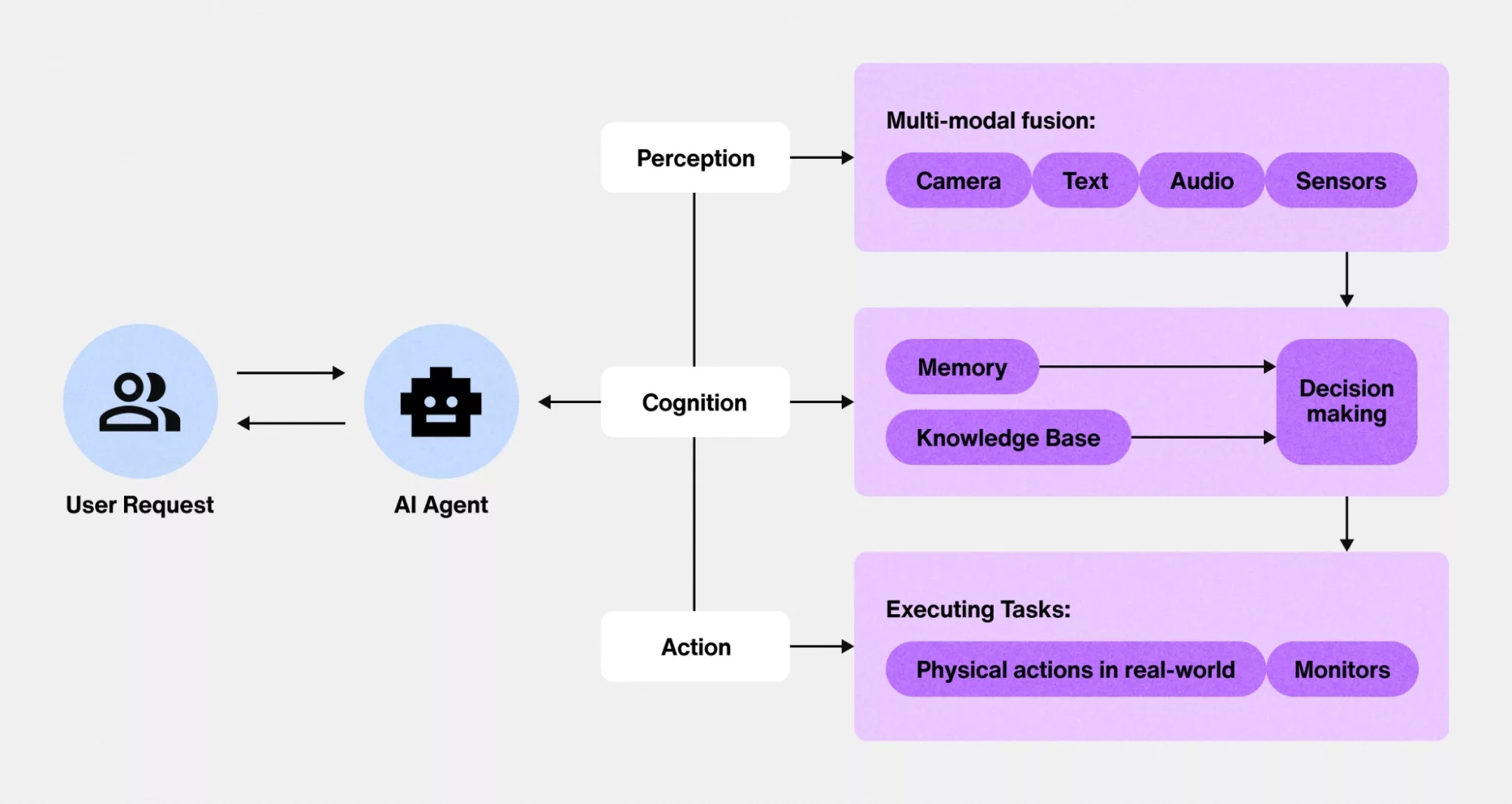
When people hear about agentic AI, it can sound abstract. In reality, these agentic automation systems are built from clear, understandable components. Each block plays a specific role, and together they allow the system to act with purpose rather than just respond.

Think of agentic AI like a junior employee who knows the goal, understands the rules, has access to tools, and learns from feedback. The intelligence does not come from one feature, but from how these building blocks work together.
1. Goal Definition and Constraints
Every agentic AI system starts with a goal. This is not a vague intention but a clearly defined objective set by humans.
Examples of goals include:
- Resolve customer issues within policy
- Monitor systems and reduce downtime
- Analyze reports and flag risks
Along with goals, constraints are equally important:
- What actions are allowed
- Which tools can be used
- When to stop or escalate
Without constraints, autonomy would be risky. With them, the system operates safely within boundaries. This is why agentic AI does not “decide for itself” in a human sense. It operates within a framework designed by people.
2. Planning and Decision-Making Engine
Once a goal is set, the system needs a way to decide what to do next. This is handled by the planning and decision layer.
This component:
- Breaks a goal into smaller steps
- Chooses the order of actions
- Adjusts plans if something fails
For example, if the goal is to resolve a billing issue, the system may plan to:
- Check account data
- Identify the error
- Select a resolution option
- Communicate with the customer
Unlike rule-based automation, this plan is not fixed in advance. The system can change its approach based on new information.
3. Memory and Context Handling
Agentic AI systems rely heavily on memory to function effectively. Memory allows the system to avoid repeating mistakes and to maintain context over time.
There are usually two types:
- Short-term memory: Tracks the current task and recent actions
- Long-term memory: Stores past outcomes, preferences, or patterns
For example, if a customer issue was escalated previously, the system can remember that and choose a different approach next time. This makes interactions more consistent and efficient.
Memory is one of the key reasons agentic systems feel more “continuous” than traditional AI tools.
4. Tool and System Access
Agentic AI does not act on its own. It works by using tools that already exist inside an organization.
These tools may include:
- Databases
- Internal software systems
- APIs
- Monitoring dashboards
The AI does not create tools. It selects from approved options and uses them programmatically. Each action is logged, which allows teams to review decisions later.
5. Feedback Loops and Evaluation
After taking action, the system must check whether the result matches the goal. This is handled through feedback loops.
The system evaluates:
- Did the action succeed?
- Did it create errors or escalations?
- Should a different approach be used next time?
This feedback does not mean the system retrains itself automatically in all cases. Often, it means adjusting behavior within defined limits or flagging results for human review.
Over time, this evaluation process improves reliability and reduces repeated failures.
6. Human Oversight and Control Layer
Even though agentic AI operates independently, human oversight remains a core building block.
This layer includes:
- Approval checkpoints for sensitive actions
- Audit logs for transparency
- Escalation rules for edge cases
Rather than removing humans from the process, agentic AI shifts their role from execution to supervision. People focus on judgment, policy, and improvement instead of repetitive tasks.
Read once! Agentic AI vs Autonomous AI: Key Differences
How Autonomous AI Systems Work Step by Step
To understand how these systems function in real environments, it helps to walk through their operation as a sequence of clear, repeatable steps. Although the technology behind them can be complex, the working logic is structured and practical.
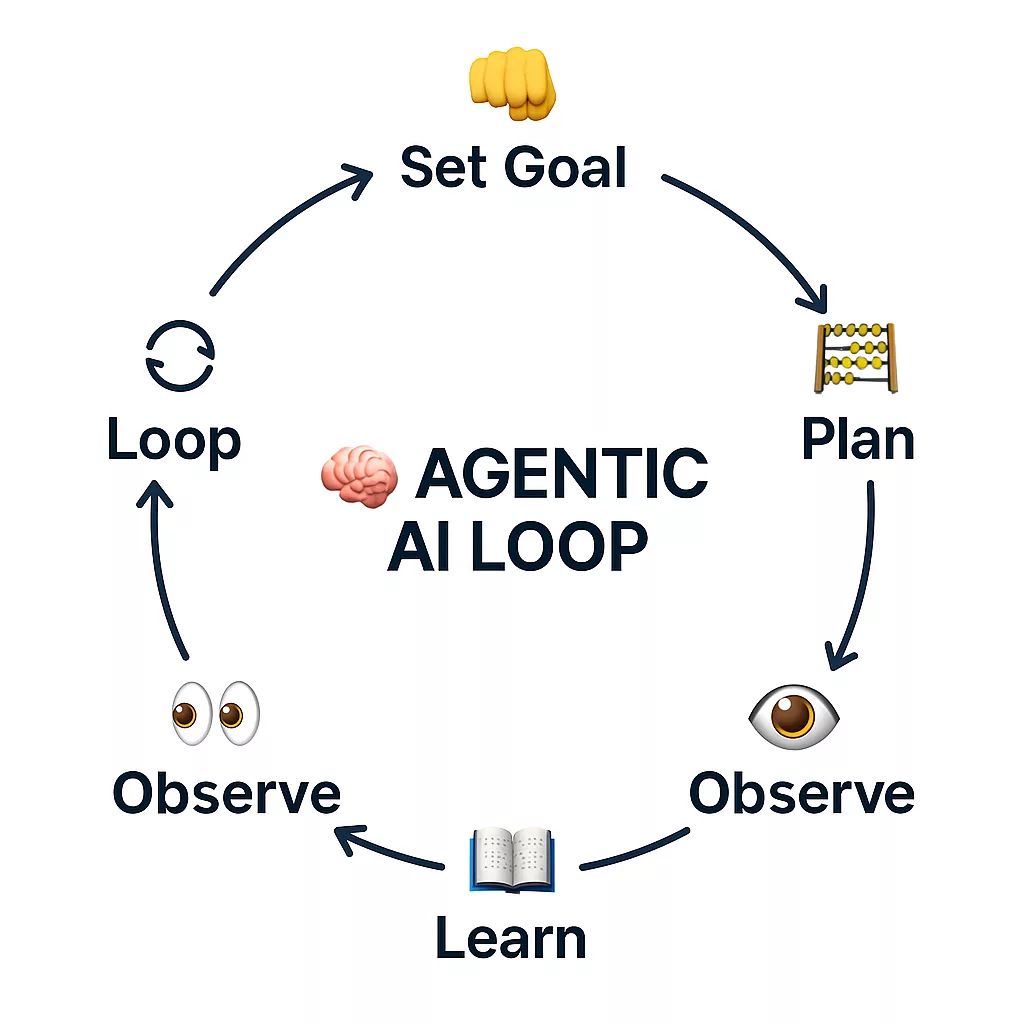
At a high level, an autonomous AI system follows a loop: understand → decide → act → evaluate → adjust. Below is how this loop works in detail.
Step 1: Receiving a Goal and Understanding Context
Every autonomous system starts with a goal, not just an instruction. This goal can be set by a human, another system, or a scheduled process.
Examples of goals include:
- Resolve a customer issue
- Monitor system performance
- Generate a weekly operational report
Once the goal is received, the system gathers context. This means it looks at:
- Relevant data (records, logs, messages)
- Rules or policies it must follow
- The current state of the environment
This step is important because decisions depend on context. A delayed shipment, for example, may require a different response depending on customer history, delivery status, or company policy.
The system does not act yet. It first builds an understanding of the situation.
Step 2: Planning Actions and Making Decisions
After understanding the context, the system plans how to reach the goal. This planning stage replaces long rule lists used in traditional automation.
During planning, the system:
- Breaks the goal into smaller tasks
- Evaluates multiple possible actions
- Selects the most appropriate next step
For example, to resolve a support issue, the system may decide to:
- Check account details
- Search past resolutions
- Draft a response or escalate the issue
The decision-making process is guided by models trained on data, along with constraints defined by humans. These constraints ensure the system stays within allowed actions and does not exceed its authority.
Step 3: Taking Action and Evaluating Results
Once a decision is made, the system executes the chosen action using available tools. These tools may include:
- Internal software systems
- Databases
- APIs
- Communication channels
After acting, the system immediately evaluates the result. It checks:
- Did the action succeed?
- Did it move closer to the goal?
- Did it trigger errors or unexpected outcomes?
If the result is satisfactory, the system may proceed to the next step or stop if the goal is complete. If not, it adjusts its plan and tries a different approach.
This evaluation step is what allows the system to operate continuously instead of stopping after one response.
This structured loop explains why these systems behave differently from simple automation. They do not follow a single path. They assess outcomes, learn from them, and adapt within defined boundaries.
For organizations, this means tasks that once required constant human follow-up can now be handled more consistently. For service buyers, it means fewer interruptions, faster resolution, and systems that respond to real conditions rather than fixed assumptions.
In simple terms, autonomous AI systems work by continuously moving toward a goal, checking their progress at every step, and adjusting when reality does not match expectations.
Levels of Autonomy in AI Systems
Not all AI systems operate with the same level of independence. Autonomy exists on a spectrum, and understanding that spectrum helps set realistic expectations. Most systems used today fall somewhere between fully manual tools and fully autonomous systems. Each level reflects how much decision-making authority the AI has and how much human oversight is required.
Below is a practical way to understand these levels, explained in plain terms and grounded in real usage.
Level 1: Human-Controlled (No Autonomy)
At this level, the AI does not act on its own. It responds only when a human gives a direct input, and it stops after delivering an output.
Key characteristics:
- Requires explicit prompts or commands
- Produces a single response per request
- No memory of past actions unless designed externally
- No ability to initiate tasks
A common example is a basic chatbot or text-generation tool. It can summarize a document or answer a question, but it does not decide what to do next. Every step is driven by a person.
This level is useful when accuracy and control matter more than speed. However, it offers limited efficiency gains for ongoing or repetitive work.
Level 2: Assisted Autonomy (Decision Support)
Assisted systems can analyze information and suggest actions, but they do not execute those actions without approval. The human remains the final decision-maker.
Typical behaviors include:
- Recommending next steps
- Highlighting risks or anomalies
- Drafting responses or plans
- Waiting for confirmation before acting
For example, an AI system may review customer messages and suggest replies, but a human agent chooses whether to send them. In software teams, these systems might flag potential bugs but not fix them automatically.
This level improves productivity while keeping humans firmly in control. It is often adopted in regulated environments where accountability is critical.
Level 3: Semi-Autonomous Systems (Conditional Autonomy)
Semi-autonomous systems can act independently within predefined boundaries. They handle routine decisions on their own but escalate complex or risky situations.
Defining traits include:
- Clear rules for when the system can act
- Automatic execution of low-risk tasks
- Escalation paths for exceptions
- Continuous monitoring by humans
An example is a support system that automatically resets passwords or updates account information but routes billing disputes to human agents. In IT operations, a system may restart a service automatically but alert engineers if the issue repeats.
This level is currently the most common in real-world deployments because it balances efficiency with safety.
Level 4: High Autonomy (Goal-Driven Operation)
At this level, the system operates continuously toward a goal with minimal intervention. Humans define objectives, constraints, and review processes, but the system decides how to act.
Core features include:
- Goal-based planning instead of fixed scripts
- Use of multiple tools and data sources
- Ongoing evaluation of outcomes
- Ability to change strategy when conditions change
For example, a monitoring system may track performance metrics, diagnose issues, apply fixes, and verify recovery without waiting for instructions. Human involvement focuses on audits, policy updates, and exception handling.
These systems require strong governance, logging, and testing because their impact is broader.
Level 5: Full Autonomy (Rare and Restricted)
Fully autonomous systems operate without ongoing human oversight. They set sub-goals, make decisions, and act independently for extended periods.
Important points to understand:
- This level is uncommon in open environments
- Typically limited to controlled or simulated settings
- Requires extensive safeguards and validation
- Often subject to strict legal and ethical limits
Examples may include research simulations or closed-loop systems where failure has minimal consequences. In most business contexts, full autonomy is avoided due to risk and accountability concerns.
Understanding levels of autonomy helps organizations choose the right system for the right task. Higher autonomy can increase speed and efficiency, but it also increases responsibility and risk. Lower autonomy offers control but may limit scale.
Real-World Industry Use Cases of Agentic AI in 2026
By 2026, agentic AI will no longer be limited to labs or pilot projects. It is actively used in business operations, digital services, and internal workflows where decisions need to be made continuously. What separates these systems from earlier AI tools is not intelligence alone, but their ability to manage tasks end-to-end with limited supervision.
Below are the most common and practical real-world use cases, explained clearly and without assumptions.
Agentic AI In Customer Support and Service Operations
One of the earliest and most visible uses of agentic AI in 2026 is customer support. Unlike basic chatbots that answer predefined questions, agentic systems manage entire service flows.
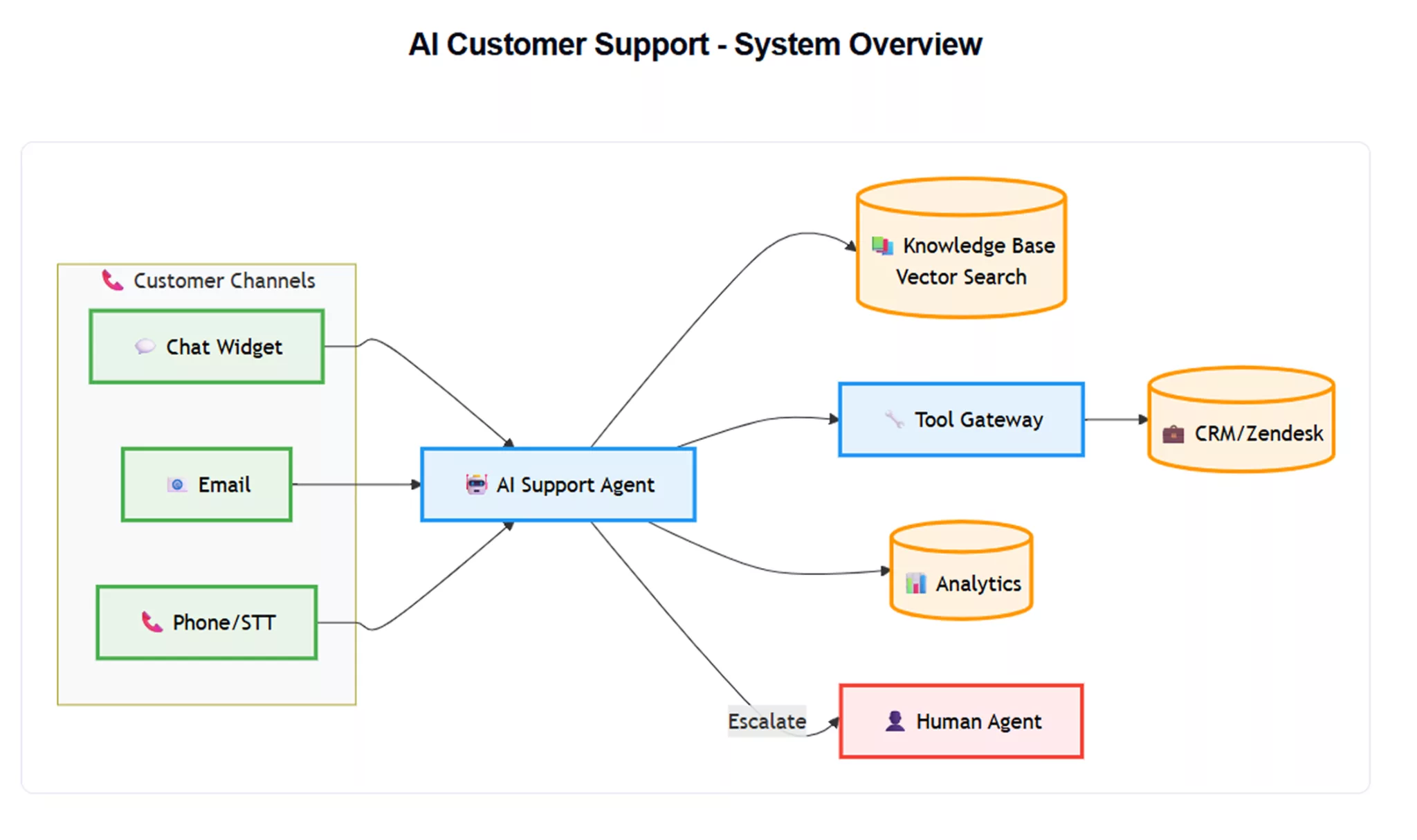
In practice, this means the system can:
- Read and understand customer messages across channels
- Identify the intent and urgency of the issue
- Check account data, order history, or service logs
- Decide whether to respond, escalate, refund, or follow up
- Monitor whether the issue is actually resolved
For example, if a customer reports a delayed delivery, the system does not stop after sending an apology. It tracks shipment status, updates the customer, applies compensation if policy allows, and escalates only if the delay continues.
For service buyers, this results in faster resolution times and fewer handoffs between agents.
Agentic AI In IT Operations and Infrastructure Monitoring
In IT environments, agentic AI systems are used to monitor infrastructure continuously and respond to issues as they arise.
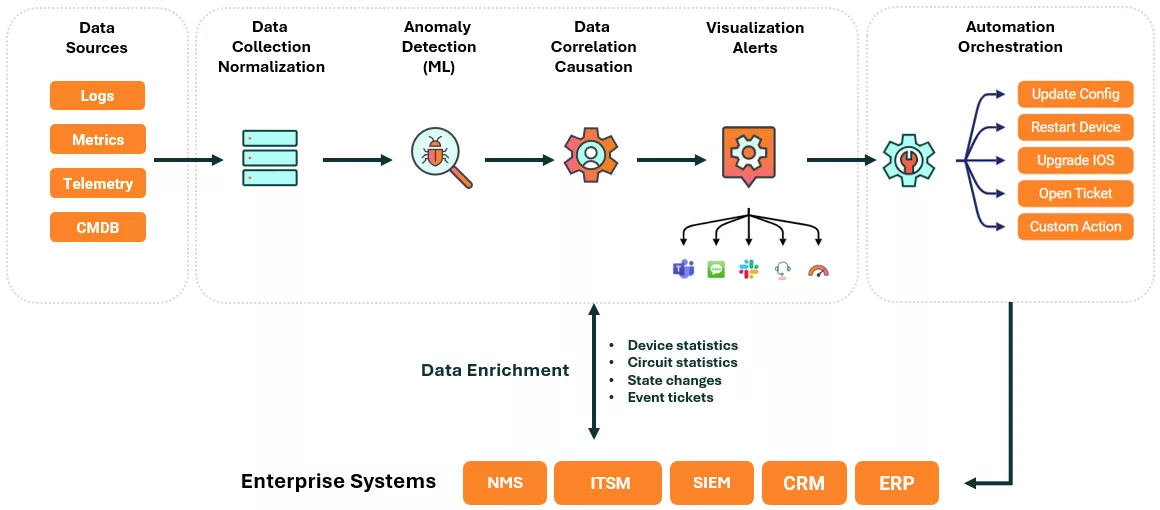
Common responsibilities include:
- Tracking system performance metrics
- Detecting anomalies or failures
- Diagnosing root causes using logs and historical data
- Applying predefined fixes such as restarting services
- Verifying system recovery and stability
If an issue repeats or exceeds risk thresholds, the system alerts human engineers with context already prepared. This reduces downtime while keeping humans involved in complex decisions.
By 2026, many organizations rely on these systems to manage routine operational incidents without constant manual oversight.
Autonomous Agentic AI In Data Analysis and Business Intelligence
Agentic AI has also changed how organizations interact with data. Instead of waiting for analysts to run reports, systems can be given goals such as “monitor sales performance” or “identify unusual spending patterns.
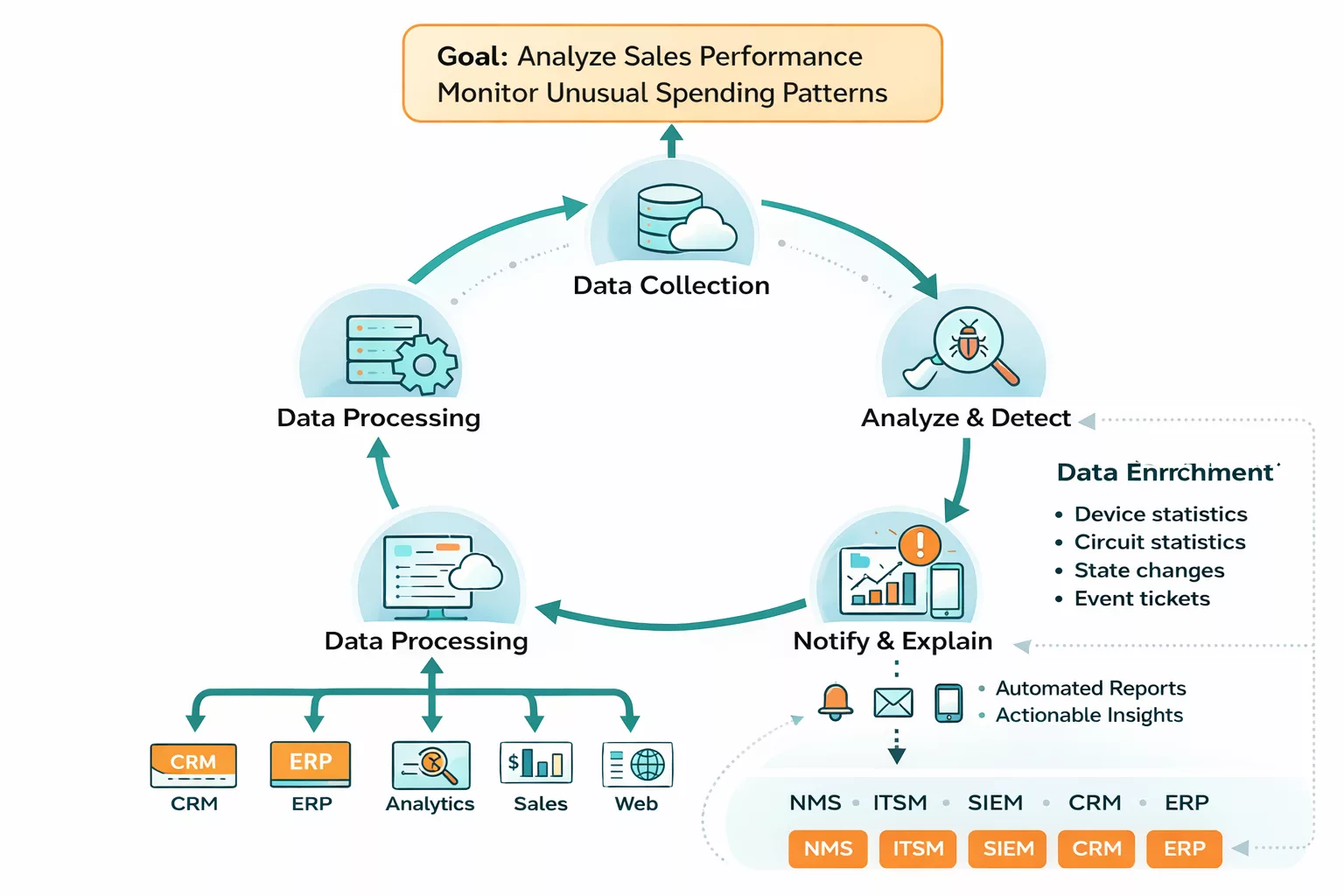
The system then:
- Pulls data from multiple sources
- Cleans and organizes it
- Generates summaries or alerts
- Investigates anomalies automatically
- Updates findings as new data arrives
For example, if revenue drops unexpectedly in a specific region, the system can analyze contributing factors and notify decision-makers with supporting evidence.
This does not replace analysts. It allows them to focus on interpretation and strategy rather than repetitive data preparation.
Agentic AI In Software Development and Testing
In software teams, agentic AI is used to support development workflows, especially testing and quality assurance.
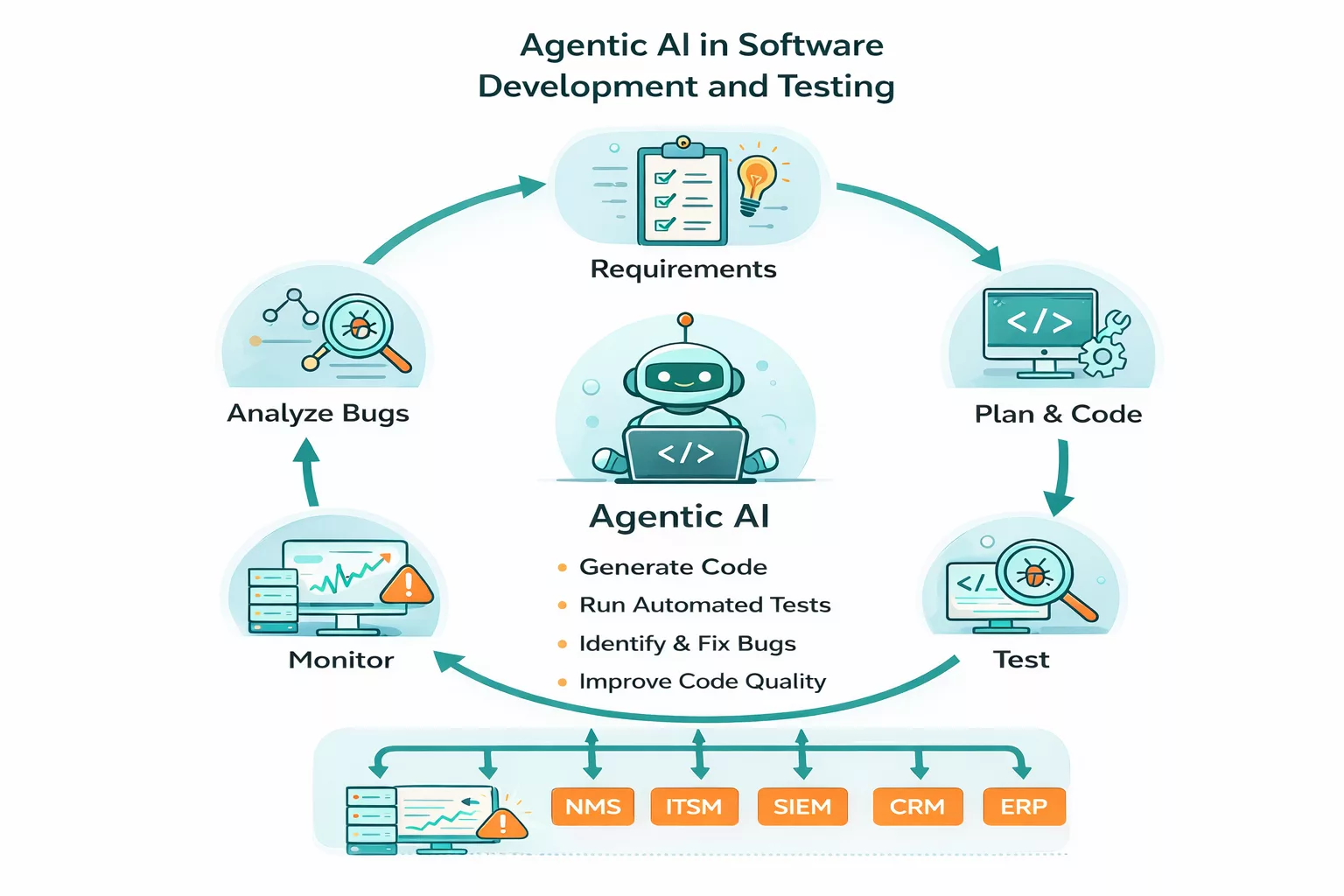
Typical uses include:
- Running automated tests after code changes
- Identifying failed test cases
- Analyzing error patterns
- Creating detailed bug reports
- Retesting after fixes are applied
Instead of executing a test once and stopping, the system follows the issue until it is resolved or escalated. This reduces the time developers spend on repetitive debugging tasks.
Read once! How Agentic AI Is Changing Software Development
Agentic AI In Operations and Process Management
Many back-office and operational tasks involve coordination across systems. Agentic AI is well suited for this work because it can track progress over time.
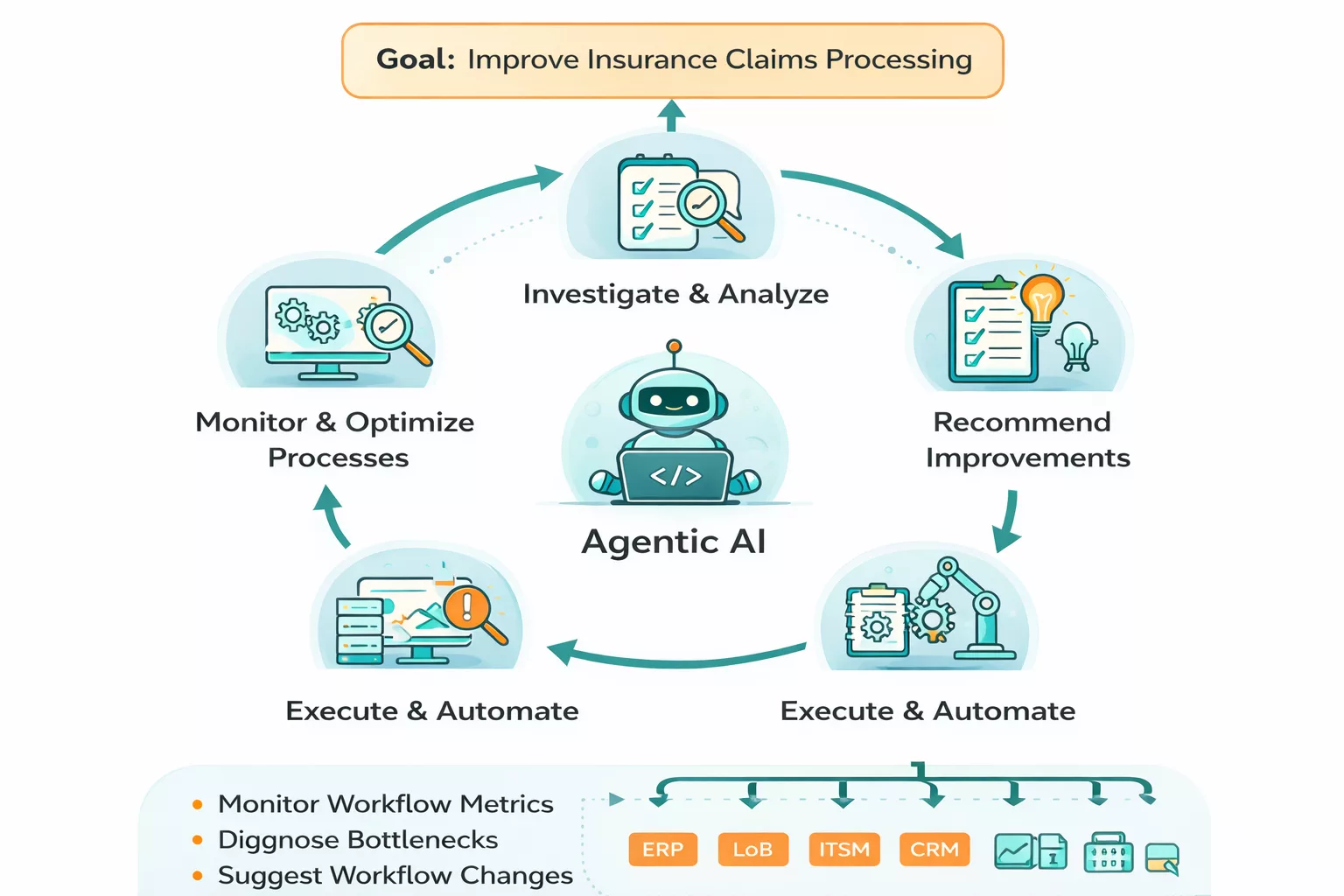
Examples include:
- Order processing and fulfillment tracking
- Invoice validation and exception handling
- Compliance checks across documents and systems
- Vendor or supplier coordination
If a process stalls or data is missing, the system takes corrective steps instead of waiting for manual intervention. Humans are involved when policies conflict or approvals are required.
Agentic AI In Healthcare and Administrative Support (Non-Clinical)
In healthcare settings, agentic AI is primarily used for administrative and operational support rather than diagnosis.
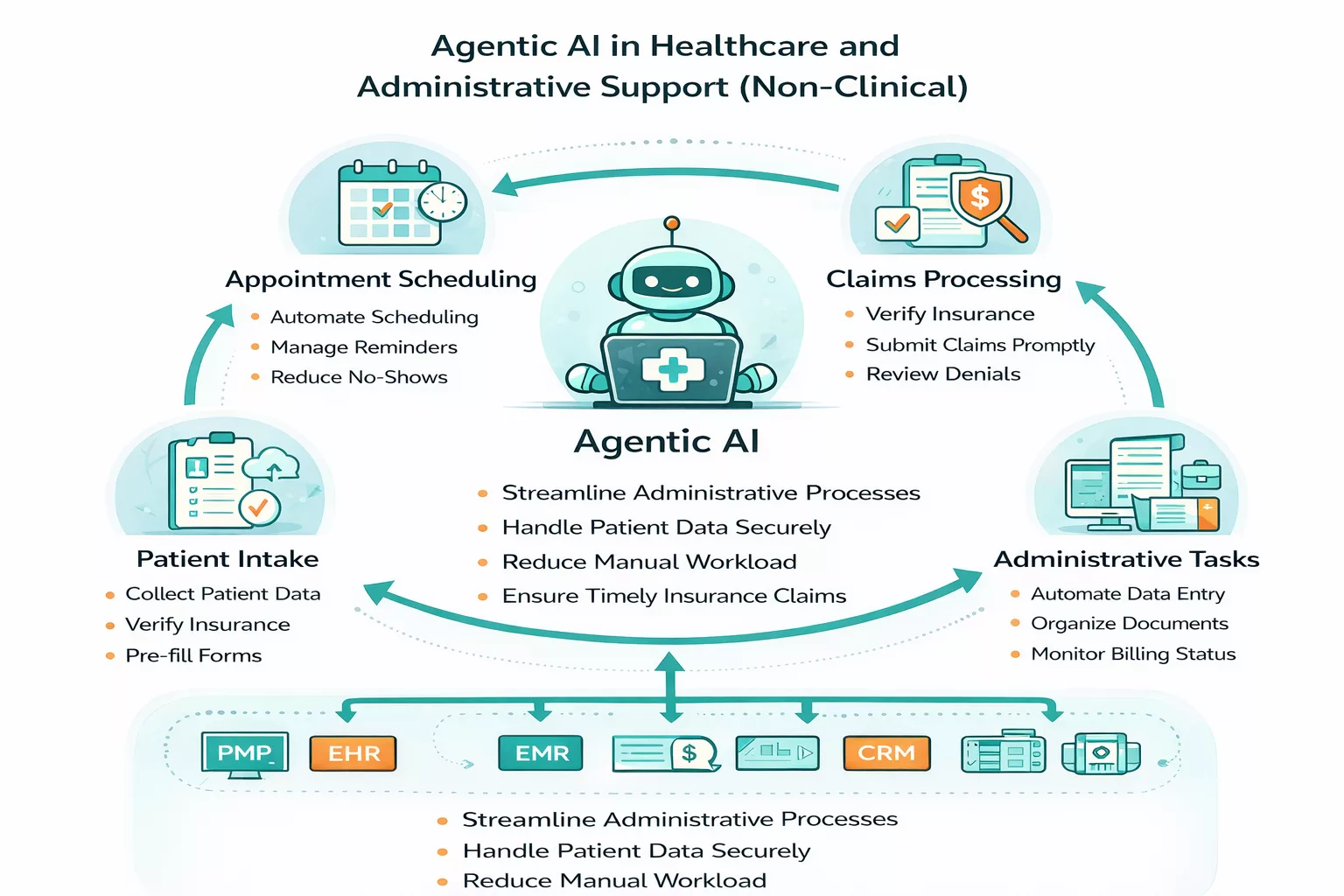
Use cases include:
- Scheduling and rescheduling appointments
- Managing insurance documentation
- Tracking patient follow-ups
- Coordinating between departments
These systems reduce administrative burden while operating under strict rules and oversight. Clinical decisions remain human-led. They are not general intelligence systems. They are focused tools designed to manage complex, ongoing tasks reliably.
In 2026, agentic AI is best understood not as a replacement for people, but as a dependable operational partner that works continuously within clear boundaries.
We have listed! Ways Agentic Healthcare is Transforming the Patient Experience
The Role of Autonomous AI Systems for Businesses and Service Buyers
For businesses and service buyers, autonomous AI systems mainly affect how responsibilities are managed inside an organization. Instead of people manually tracking tasks and following up on each step, these systems are designed to work toward a goal on their own, within rules set by humans.
This shift has practical effects that are easy to observe in daily operations:
- Work progresses without constant follow-up, because the system keeps acting until a task is completed or requires human input.
- Service becomes faster and more consistent, as issues are handled in a single flow instead of being passed between tools or teams.
- Human effort is focused on judgment-based decisions, not repetitive coordination or routine checks.
- Operational processes become more predictable, since actions follow defined goals and policies rather than ad-hoc responses.
- Control and accountability remain with people, through rules, monitoring, and escalation mechanisms.
In simple terms, autonomous AI systems help businesses run processes more smoothly and help service buyers receive quicker, more reliable outcomes, while humans continue to set direction and take responsibility where it matters.
How to Choose Agentic AI Service Providers
Selecting an agentic AI service provider requires a disciplined, operational mindset. At this stage of market maturity, the real difference between providers is not model performance, but how safely and reliably their systems operate in real environments.
A professional evaluation starts with clarity around autonomy. A credible provider can explain, in plain terms, what the system is allowed to decide, where human approval is enforced, and how exceptions are handled. Providers who avoid specifics or overgeneralize autonomy usually lack production experience.
Equally important is governance. Strong providers design for accountability from the beginning. This includes action logs, decision traceability, monitoring dashboards, and clear rollback procedures. These features are not optional; they are necessary for compliance, trust, and long-term use.
Integration capability should be proven, not promised. Agentic systems must work within existing infrastructure, data pipelines, and security frameworks. Providers should demonstrate live deployments and reference architectures rather than conceptual demos.
When assessing the market, organizations often research the best agentic ai companies based on operational stability and support maturity rather than innovation claims. Some also consider agentic AI firms in NewYork for proximity, regulatory familiarity, or enterprise consulting depth, though delivery quality matters more than location.
In short, choosing an agentic AI provider is a risk management decision as much as a technology decision. The right partner prioritizes control, transparency, and long-term operability over speed of deployment or marketing appeal.
Read once! Top Reasons Why You Should Hire The Best Agentic AI Companies In The Toronto
Final Say
Agentic AI represents a practical step forward in how AI systems operate. By combining planning, memory, tools, and feedback, these systems handle tasks that were previously manual or fragmented. Understanding their structure and limits helps organizations adopt them responsibly.
For continued updates, comparisons, and explainers on applied AI systems, readers can explore more resources from AppsInsight, which tracks real-world technology adoption rather than trends alone.