

React Native
React Native is an open-source framework that lets developers build mobile applications using JavaScript and React, while delivering a truly native user experience on both iOS and Android. Instead…
Read featured articlePractical analysis of apps, development, and the teams building them.
React Native is an open-source framework that lets developers build mobile applications using JavaScript and React, while delivering a truly native user experience on both iOS and Android. Instead…
Read featured articleGuides, analysis, and product research from the AppsInsight editorial team.
App hosting refers to the infrastructure and services used to store, run, and deliver mobile or web applications over the internet. It provides the…
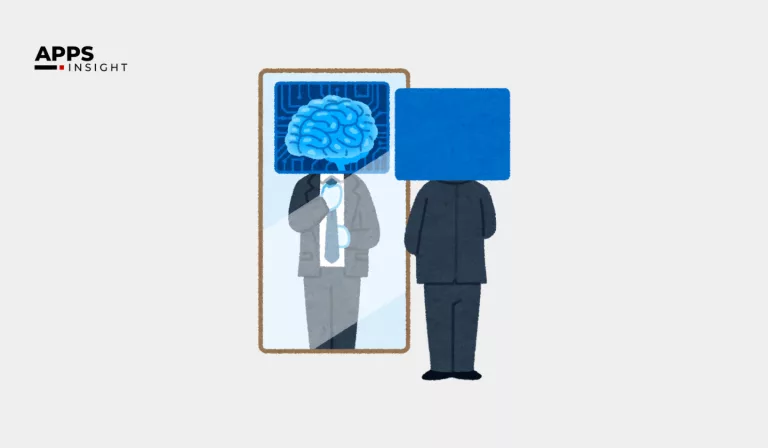
Artificial intelligence (AI) is the ability of a computer or machine to perform tasks that typically require human intelligence, such as learning, reasoning, perception, and problem-solving.…
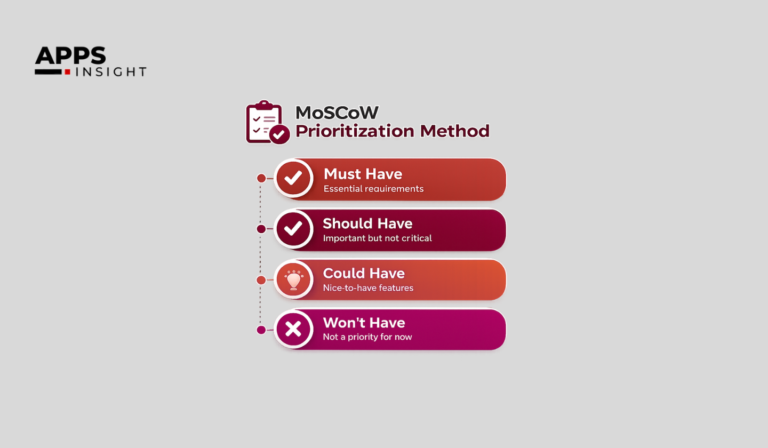
The MoSCoW Prioritization Method is a project management and product planning framework used to rank requirements based on their importance. It helps businesses, product…
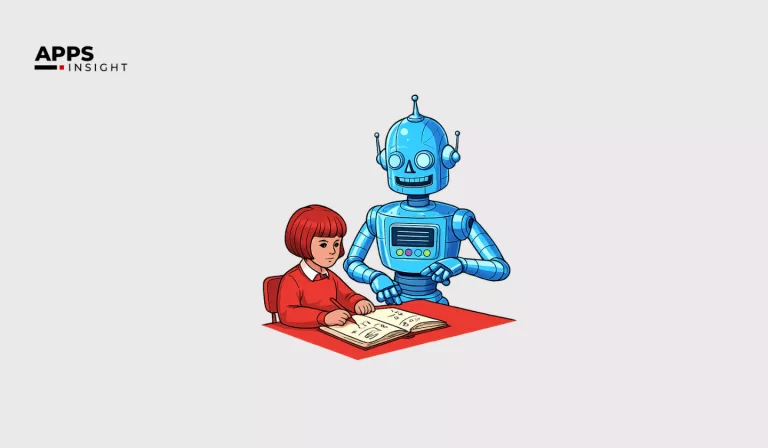
Autonomous AI tutors are AI-powered digital tutors that can teach and support learners on their own, without needing constant control from a human teacher. They…

RFID, or Radio Frequency Identification, is a technology used to automatically identify and track objects using radio waves. It works through small electronic devices…
NFTs, or Non-Fungible Tokens, are unique digital assets stored on a blockchain that represent ownership of a specific item such as digital art, music,…
Generative AI refers to a type of artificial intelligence that can create new content rather than simply analyzing existing data. It is designed to…
Digital transformation refers to the process of using digital technologies to improve business operations, enhance customer experiences, and create new ways of delivering value.…

Blockchain is a decentralized digital technology that records transactions across multiple computers in a secure, transparent, and tamper-resistant way. Instead of relying on a…

App maintenance refers to the ongoing process of monitoring, updating, fixing, and improving a mobile or web application after it has been launched. It…
App monetization refers to the strategies and methods used by app owners to generate revenue from their mobile or web applications. Instead of offering…
Database management refers to the process of storing, organizing, maintaining, and retrieving data efficiently using specialized software known as a Database Management System (DBMS).…
Cloud computing is a technology that allows businesses and individuals to access computing resources such as servers, storage, databases, and software over the internet…
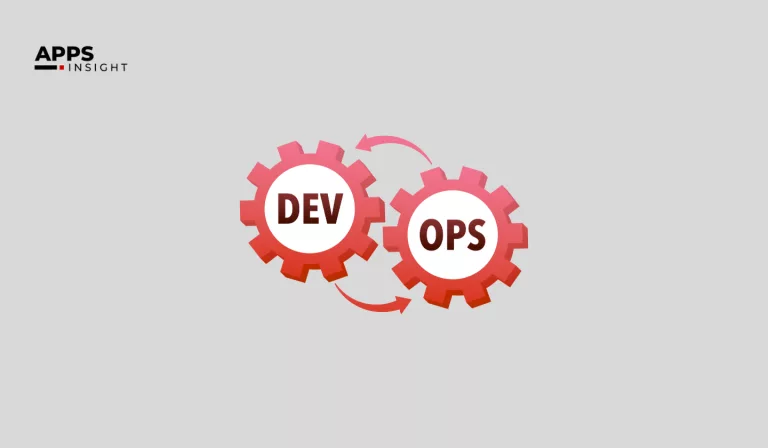
DevOps is a modern approach to software development that brings together development (Dev) and operations (Ops) teams to work as one unit. Its main…
Agile development is a modern approach to software creation that focuses on flexibility, collaboration, and continuous improvement. Instead of building a product in one…
Backend development refers to the server-side part of an application that manages data, logic, and system operations behind the scenes. While users interact with…
Frontend development focuses on building the visual and interactive part of websites and applications that users directly see and use. It turns design concepts…
A hybrid app is a type of mobile application that combines elements of both native apps and web apps. It is built using common…
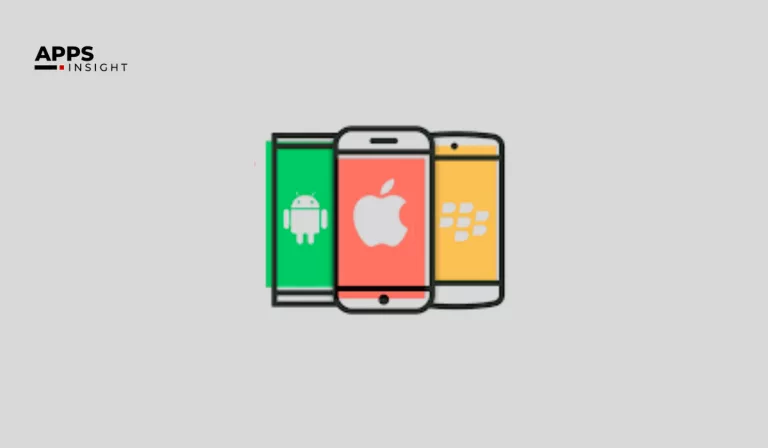
A native app is a mobile application developed specifically for a particular operating system, such as Android or iOS. These apps are built using…
App deployment is the process of releasing a mobile or web application so users can access, install, and use it in real-world environments. It…
Large Language Model (LLM) agents are advanced AI agents powered by large language models such as GPT-based systems. These agents can understand human language,…
Orchestration tools are software platforms that manage, coordinate, and automate multiple systems, applications, and AI agents to work together smoothly. In modern AI-driven environments,…
Intelligent automation refers to the use of artificial intelligence combined with traditional automation technologies to streamline business processes, reduce manual effort, and improve operational…
Multi-Agent Systems (MAS) refer to a group of intelligent AI agents that work together within a shared environment to solve problems, complete tasks, or…
AI agents are intelligent software programs designed to perform tasks independently by observing their environment, making decisions, and taking actions to achieve specific goals.…
Agentic Systems are AI-driven software systems made of one or more autonomous agents that can plan, act, and adapt to achieve defined goals with…
A Web Application is an application software that runs in a web browser and is delivered over the internet from a remote server, without…

Progressive Web Apps (PWAs) are web applications that combine the functionality of native mobile apps with the accessibility and flexibility of web platforms. They…

Ecommerce, short for electronic commerce, refers to the buying and selling of goods and services over the internet. It encompasses all transactions conducted electronically,…