

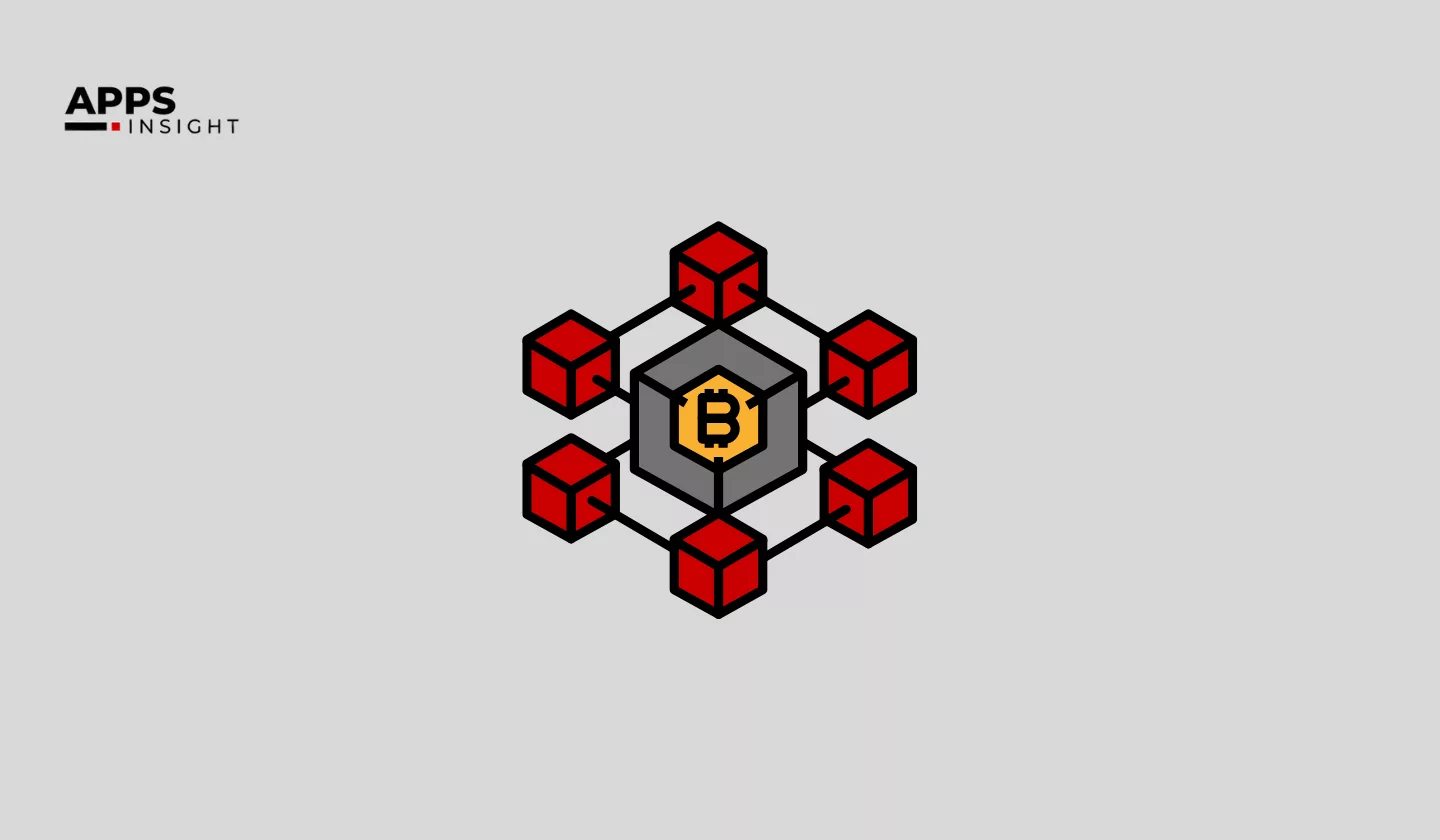
Blockchain is a decentralized digital technology that records transactions across multiple computers in a secure, transparent, and tamper-resistant way. Instead of relying on a central authority like a bank or server, blockchain uses a distributed network where every participant holds a copy of the data. Each transaction is grouped into a “block,” and these blocks are linked together in a continuous chain, creating a permanent and trustworthy record.
Because of its secure structure and transparency, blockchain is widely used in cryptocurrencies, supply chain tracking, digital identity, and smart contracts. It helps build trust between parties without needing intermediaries.
How Blockchain Works
Distributed Ledger System
At the core of blockchain is a shared digital ledger that is maintained by many computers, called nodes. When a transaction occurs, it is broadcast to the network and verified by multiple participants before being added to the chain.
Blocks and Cryptographic Security
Each block contains transaction data, a timestamp, and a cryptographic hash of the previous block. This connection makes it extremely difficult to alter any information, as changing one block would require changing every block after it across the entire network.
Consensus Mechanisms
Blockchain networks use consensus methods such as Proof of Work (PoW) or Proof of Stake (PoS) to agree on valid transactions. These systems ensure that only legitimate transactions are added, maintaining security and trust.
Key Benefits and Applications of Blockchain
Enhanced Security and Transparency
Blockchain’s encryption and decentralized nature protect data from unauthorized changes. All transactions are visible to network participants, improving accountability.
Reduced Costs and Faster Transactions
By removing intermediaries, blockchain lowers transaction fees and speeds up processes, especially for international payments and data transfers.
Smart Contracts and Automation
Smart contracts are self-executing agreements stored on the blockchain. They automatically perform actions when conditions are met, reducing manual work and errors.
Industry Use Cases
Blockchain is used in finance for cryptocurrencies and payments, in supply chains for tracking goods, in healthcare for secure medical records, and in real estate for transparent property transactions.
Key Takeaway
Blockchain is a powerful technology that enables secure, transparent, and decentralized data management. By using distributed ledgers, cryptography, and consensus mechanisms, it eliminates the need for central authorities while increasing trust and efficiency. As adoption grows, blockchain is transforming industries by improving security, automating processes, and enabling new digital business models.