

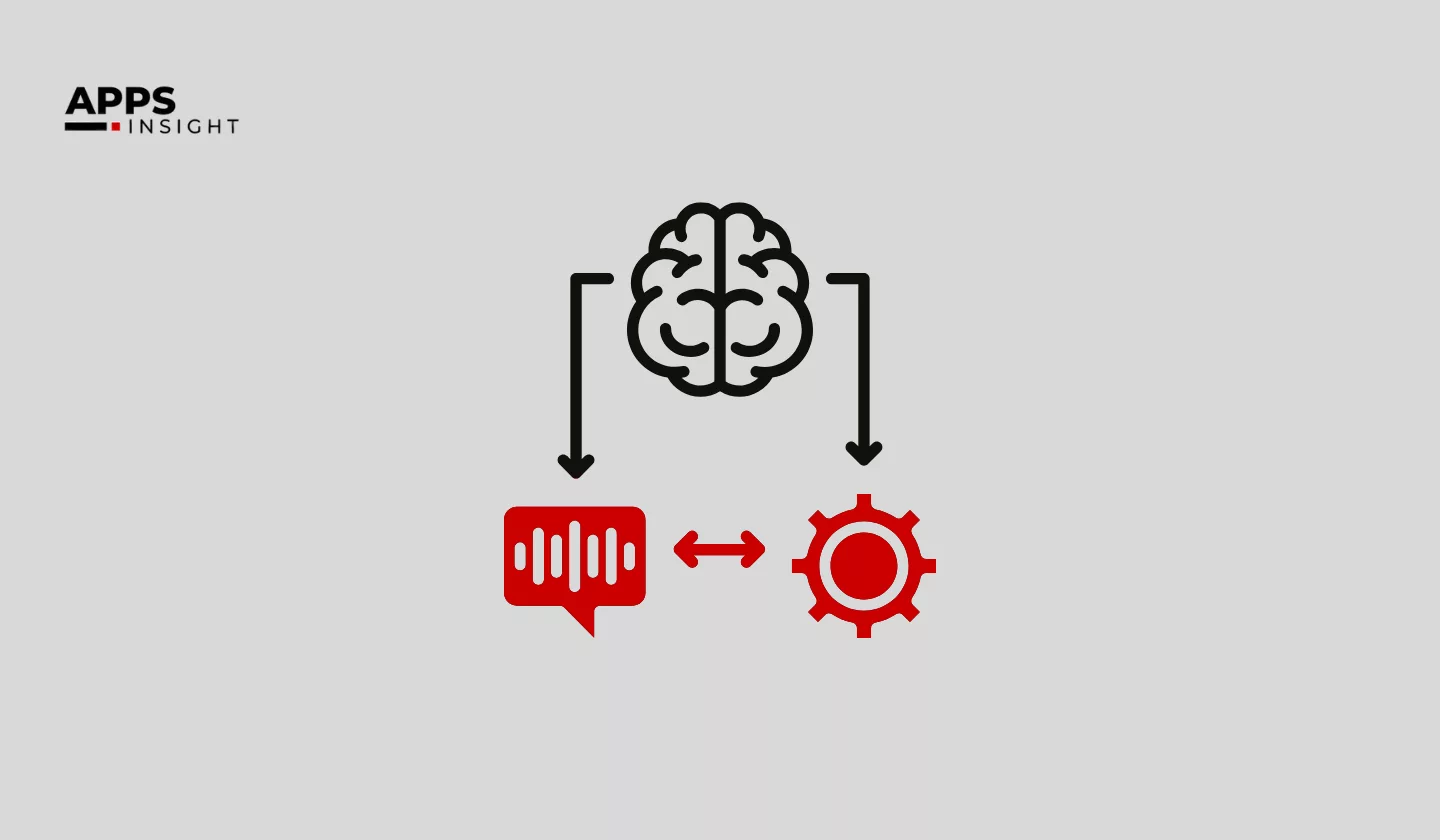
Large Language Model (LLM) agents are advanced AI agents powered by large language models such as GPT-based systems. These agents can understand human language, generate meaningful responses, reason through complex problems, and perform tasks autonomously. Unlike traditional chatbots that follow scripted flows, LLM agents can adapt to different situations, interpret context, and handle multi-step tasks, making them highly useful for modern business automation and intelligent applications.
LLM agents act as digital assistants that can communicate naturally with users while also connecting with tools, databases, and APIs to complete real-world actions. They are becoming a core part of autonomous AI systems in 2026.
How LLM Agents Function
Natural Language Understanding
LLM agents process user input in everyday language. They can understand questions, commands, and conversations, even when phrased casually or with incomplete information. This allows smoother and more human-like interactions.
Reasoning and Task Planning
Beyond generating text, LLM agents can break down complex tasks into smaller steps. For example, if asked to plan a project or analyze data, the agent can outline actions, gather information, and present organized results.
Tool and System Integration
Modern LLM agents connect with external tools such as calendars, CRM systems, databases, and web services. This allows them to book appointments, retrieve reports, send emails, or automate workflows without human involvement.
Types of LLM Agents
Conversational Agents
These agents focus on human interaction, such as customer support bots, virtual assistants, and AI tutors. They provide instant responses and personalized communication.
Task-Oriented Agents
Task-oriented LLM agents are built to complete specific actions like generating reports, managing schedules, or processing data. They follow structured workflows powered by language understanding.
Autonomous LLM Agents
These advanced agents can set goals, monitor progress, and adjust strategies on their own. They are commonly used in research automation, software development assistance, and business operations.
Benefits and Applications of LLM Agents
LLM agents improve productivity by handling time-consuming tasks quickly and accurately. They reduce operational costs and provide 24/7 support without human fatigue. Businesses use them for customer service, content creation, sales assistance, internal knowledge management, and data analysis.
In education, LLM agents act as personalized tutors. In healthcare, they assist with documentation and patient communication. In software development, they help generate code and debug systems.
Key Takeaway
Large Language Model agents represent a major step forward in AI automation. By combining language understanding, reasoning abilities, and system integration, they enable smarter, more autonomous digital solutions. As technology evolves, LLM agents will become essential tools for businesses seeking efficiency, scalability, and intelligent user experiences.