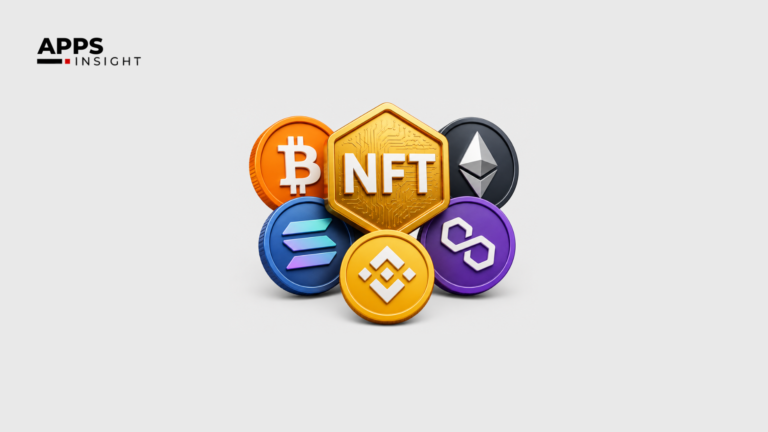


Cryptocurrency exchanges have become the primary entry point for most participants in the digital asset market. These platforms provide the infrastructure for converting traditional currencies into cryptocurrencies, as well as enabling trading between different digital assets.
Centralized crypto exchanges, in particular, remain the most widely adopted model due to their efficiency, user-friendly interfaces, and ability to handle large trading volumes. Unlike decentralized exchanges, they manage custody of assets and implement compliance measures such as Know Your Customer (KYC) and Anti-Money Laundering (AML) checks, which make them more accessible to mainstream users and institutions.
For businesses and startups, understanding how centralized crypto exchanges are developed — from architectural design to team composition and launch — is key to making informed decisions about entering the market. This article explores the structures, processes, and challenges that shape centralized exchange development today.
What is a crypto exchange, and why does it matter in today’s blockchain economy

A cryptocurrency exchange is a digital platform that allows users to buy, sell, and trade cryptocurrencies. Functionally, it acts as a marketplace where buyers and sellers are matched, similar to how traditional stock exchanges operate. Exchanges can support trading between fiat currencies (like USD or EUR) and digital assets (like Bitcoin or Ethereum), or between different cryptocurrencies.
In today’s blockchain economy, exchanges matter because they provide liquidity, the ease with which assets can be converted into cash or other tokens. Without liquidity, cryptocurrencies would be difficult to use beyond niche communities. Exchanges also improve price discovery, helping the market determine fair value for assets through supply and demand.
Examples highlight their role: Coinbase made crypto accessible to retail investors in the U.S., while Binance scaled globally to serve millions of traders. These platforms demonstrate how exchanges underpin adoption, institutional entry, and overall trust in the digital asset ecosystem.
Looking for? Cryptocurrency Exchange Development Companies
Types of Crypto Exchanges: Choosing the Right Model for your Platform
Not all cryptocurrency exchanges function the same way. Different models exist, each with its own structure, strengths, and trade-offs. The choice of model has direct implications for security, user adoption, and regulatory compliance.

- Centralized Exchanges (CEXs): These platforms are managed by a central entity that oversees custody of user funds, transaction processing, and security protocols. They are widely adopted because they are easier to use, provide higher liquidity, and offer customer support. However, they require users to trust the operator with custody of their assets.
- Decentralized Exchanges (DEXs): Unlike CEXs, decentralized exchanges operate without intermediaries. Trades are executed via smart contracts, and users maintain custody of their funds. DEXs enhance privacy and security but often face lower liquidity and slower transaction speeds.
- Hybrid Models: Some platforms combine elements of both centralized and decentralized systems. For example, they may offer centralized liquidity pools while allowing non-custodial wallets. This approach seeks to balance usability with user autonomy.
For startups, selecting the right model depends on their target audience, regulatory environment, and business strategy. Many opt for centralized crypto exchange development because it provides faster onboarding for users, stronger liquidity management, and a clearer compliance framework.
Types of Centralized Crypto Exchanges
Centralized exchanges (CEXs) are not all identical. Within this model, there are different types of platforms that cater to varying user needs and business objectives. Understanding these categories helps in planning the architecture of a new exchange.

- Spot Trading Platforms: These are the most common type of CEX. Users buy and sell cryptocurrencies at current market prices. Examples include Binance and Kraken. Spot markets are straightforward but require robust order-matching engines to handle large volumes.
- Derivatives and Futures Exchanges: These platforms allow users to trade contracts tied to the value of cryptocurrencies, such as futures or perpetual swaps. They are popular among professional traders who want exposure without holding the underlying asset. They demand advanced risk management and compliance systems.
- Fiat-to-Crypto Gateways: Some centralized exchanges focus on enabling users to convert traditional money (fiat) into cryptocurrencies. Coinbase is a well-known example. These exchanges require strong partnerships with payment processors and banks to facilitate deposits and withdrawals.
- Custodial vs. Non-Custodial Models: Most centralized exchanges are custodial, meaning they hold users’ funds on their behalf. A minority adopt a semi-custodial or hybrid approach, integrating external wallet solutions to enhance security and user trust.
When deciding on the type of CEX to develop, businesses should consider user demand, regulatory obligations, and technical capacity. For example, offering derivatives may expand the customer base but also involves stricter licensing requirements in many jurisdictions.
Key characteristics of centralized crypto exchanges
Centralized exchanges (CEXs) share a set of defining features that differentiate them from decentralized alternatives. These characteristics are not just technical; they also reflect operational, regulatory, and user experience priorities.
- User Authentication and Compliance (KYC/AML): Centralized platforms typically require users to verify their identities through Know Your Customer (KYC) processes. This helps exchanges comply with Anti-Money Laundering (AML) regulations and build trust with regulators and banking partners.
- Liquidity Management: Liquidity is crucial for smooth trading. Centralized exchanges often maintain internal liquidity pools and connect with external providers to ensure that trades are executed quickly and at stable prices.
- Asset Custody and Wallet Infrastructure: A core feature is the custody of user funds. Exchanges operate hot wallets for fast transactions and cold wallets for secure long-term storage. Balancing accessibility with security is a constant challenge.
- Order-Matching Engine: The order-matching engine pairs buy and sell orders in real time. Its efficiency determines the speed and fairness of trade execution, especially in high-volume markets.
- Security Protocols: To protect against hacking and fraud, CEXs deploy measures such as multi-signature wallets, DDoS protection, withdrawal whitelists, and regular security audits.
These features make centralized crypto exchange development attractive for startups and enterprises, as they offer a balance of usability, compliance, and scalability. However, reliance on custodial structures also makes CEXs a frequent target for security threats, requiring constant vigilance.
How crypto exchanges are developed
Building a cryptocurrency exchange is a structured process that involves designing the system architecture, implementing core functionalities, and ensuring compliance and security standards are met. While each project has unique requirements, most centralized exchanges follow a similar set of development steps.
- System Architecture Design: The exchange’s architecture typically includes a frontend for user interaction, a backend for transaction processing, an order-matching engine, wallet infrastructure, and an admin panel for platform oversight. Security layers, such as firewalls and encryption, are integrated from the ground up.
- Frontend Development: The user-facing interface includes dashboards, trading charts, and transaction histories. A simple, intuitive design is essential for onboarding both beginners and experienced traders.
- Backend Development: The backend manages trade execution, database operations, and API integrations. It must support high throughput to handle thousands of orders per second in active markets.
- Wallet Integration: Exchanges use hot wallets for active trading and cold wallets for long-term storage. Many startups also explore white label cryptocurrency exchange platform options, which offer pre-built wallet and trading modules for faster deployment.
- Security and Compliance Integration: KYC/AML verification systems, two-factor authentication (2FA), and data encryption are embedded to ensure regulatory compliance and user protection.
By approaching development in phases, businesses can test core functionalities early, reduce risks, and plan for scaling. The choice between building from scratch or leveraging ready-made frameworks depends on resources, time, and the target market.
Development team composition
Creating a centralized crypto exchange requires a multidisciplinary team. Each role contributes specific expertise to ensure the platform is functional, secure, and compliant.
- Blockchain Developers: These specialists build and integrate wallet infrastructure, smart contract features, and blockchain node connections. They ensure smooth interaction between the exchange and underlying blockchain networks.
- Backend Engineers: Responsible for building the order-matching engine, database management, and server-side logic. Their work ensures scalability and the ability to process thousands of trades per second.
- Frontend Developers and UI/UX Designers: They create the trading dashboard, order books, and user-friendly interfaces. Accessibility and clarity are essential, especially for new users.
- Security Experts: Cybersecurity professionals design defense mechanisms against hacking attempts, fraud, and denial-of-service attacks. Regular audits and penetration testing fall within their responsibilities.
- Compliance and Legal Advisors: Since crypto exchanges operate in heavily regulated environments, compliance officers help navigate licensing requirements and implement KYC/AML processes.
- Project Managers and QA Testers: Project managers coordinate workflow across teams, while QA testers identify bugs and verify system stability before launch.
Some Cryptocurrency Exchange Development Firms offer ready-made teams covering all these roles, which can be practical for startups without in-house expertise. However, businesses should evaluate whether outsourcing aligns with their long-term goals for customization and control.
Crypto exchange development process
The development of a centralized crypto exchange follows a structured sequence of steps. Each stage builds on the previous one to ensure the platform is reliable, secure, and compliant before launch.
- Planning and Market Research: The process begins with defining the target audience, regulatory jurisdictions, and business objectives. For example, an exchange focusing on retail traders may prioritize ease of use, while one targeting institutions may emphasize advanced trading features.
- Architecture and Design: Developers outline the system architecture, including the trading engine, wallet infrastructure, APIs, and security protocols. UI/UX designers map user flows to ensure the platform is intuitive.
- Core Development:
- Trading Engine: Processes buy/sell orders and manages the order book.
- Wallets: Integration of hot and cold storage solutions for user funds. Some projects partner with Crypto Wallet Companies to enhance security and custody.
- APIs: Enable integration with liquidity providers, payment gateways, and third-party tools.
- Admin Panel: Provides operators with oversight and controls for risk management.
- Testing and Quality Assurance: Stress tests, security audits, and bug identification ensure the platform can withstand heavy trading volumes and malicious attacks.
- Deployment and Maintenance: Once the system passes testing, it is deployed on production servers. Post-launch, continuous updates, security patches, and compliance adjustments are essential for long-term viability.
Following this phased approach allows startups and enterprises to minimize risks and adapt to regulatory or technical changes during development.
Cost of developing a crypto exchange
The cost of centralized crypto exchange development varies widely depending on scope, features, and whether the platform is built from scratch or uses pre-built solutions. Businesses need to carefully weigh short-term savings against long-term scalability and security.
- Factors Influencing Cost:
- Development Model: Custom-built exchanges provide maximum flexibility but are more expensive. Using white-label solutions reduces costs and speeds up deployment.
- Features and Complexity: Advanced trading options like futures, staking, or margin trading require more development effort than basic spot exchanges.
- Compliance Requirements: Meeting regional regulations often involves legal consultations, licensing fees, and ongoing audits.
- Security Infrastructure: Strong cybersecurity measures, such as penetration testing and multi-signature wallets, increase initial investment but reduce risk.
- Cost Ranges:
Industry estimates suggest that a small-to-mid-level exchange may cost between $50,000 to $150,000 using a white-label approach, while a fully custom-built platform can exceed $500,000 depending on scale and integrations. - Ongoing Expenses:
Launch costs are only part of the budget. Exchanges require continuous investment in customer support, server maintenance, security monitoring, and compliance updates.
For startups, using a white-label or semi-custom approach can reduce upfront costs, but scaling later may require significant reinvestment. Enterprises with larger budgets often favor custom builds to ensure full control over architecture and long-term growth.
Challenges in crypto exchange development
While centralized crypto exchanges remain the most widely used platforms, their development and operation come with significant challenges. Addressing these issues early is crucial for long-term sustainability.
Regulatory Compliance
Laws governing digital assets vary across jurisdictions. For example, exchanges in the U.S. must register with the Financial Crimes Enforcement Network (FinCEN), while in Europe, the Markets in Crypto-Assets (MiCA) framework applies. Navigating licensing, tax reporting, and AML requirements can be time-consuming and costly.
Security Threats
Centralized exchanges are prime targets for hackers because they custody large amounts of user funds. Past incidents, such as the Mt. Gox hack, illustrate the risks. Developers must implement multi-layer security systems and conduct regular penetration testing.
Liquidity Management
New exchanges often face the challenge of attracting enough traders to create a liquid market. Without liquidity, price slippage increases, discouraging users. Partnerships with liquidity providers or integration with market makers can help address this issue.
Operational Costs
Beyond development, exchanges must invest in customer support, compliance teams, and continuous system monitoring. Underestimating these recurring expenses can undermine business stability.
Market Competition
The exchange market is crowded with established players like Binance, Coinbase, and Kraken. New entrants must differentiate by offering niche features, lower fees, or specialized services.
These challenges highlight that centralized crypto exchange development is not just a technical project—it is also a regulatory, financial, and operational endeavor requiring ongoing commitment.
Choosing a Centralized Exchange Development Company
Selecting the right development partner is one of the most critical steps in launching a centralized crypto exchange. The choice affects not only the quality of the platform but also its compliance, security, and scalability.
- Technical Expertise: A qualified company should demonstrate experience in blockchain integration, trading engine development, and wallet infrastructure. Reviewing their past projects or case studies helps verify capability.
- Security Focus: Given that exchanges are prime targets for cyberattacks, security must be a core competency. Look for firms that emphasize penetration testing, encryption protocols, and multi-layer wallet systems.
- Compliance Knowledge: Regulations differ across regions. A competent provider should guide clients through licensing processes and embed compliance tools such as KYC/AML verification systems.
- Customization Options: Some providers offer pre-built or modular solutions through crypto exchange software development services. While these accelerate time to market, businesses should ensure there is room for customization as user demands grow.
- Ongoing Support and Maintenance: Post-launch services, including updates, security patches, and customer support tools, are essential. A reliable partner continues to assist long after the platform goes live.
Startups and enterprises should evaluate multiple Cryptocurrency Exchange Development Firms before making a decision, comparing not just costs but also long-term flexibility and expertise. This reduces risks and ensures the chosen provider can adapt to evolving market and regulatory conditions.
Share Your Expertise: Write for AppsInsight
The blockchain and cryptocurrency ecosystem evolves quickly, and practical insights from professionals are valuable for businesses, developers, and investors navigating this space. At AppsInsight, we invite industry experts, researchers, and practitioners to share their knowledge and case studies with our audience.
If you have experience in areas such as exchange development, crypto wallets, or blockchain security, contributing an article is a way to highlight your expertise and contribute to the broader discussion. Articles should be factual, clear, and educational, aligning with the needs of readers seeking trustworthy information.
Visit our write for us page to learn more about submission guidelines and how you can become part of the conversation.
Sum up
Centralized crypto exchange development remains one of the most significant undertakings in today’s blockchain economy. By examining how exchanges are built from system architecture and team roles to compliance and security, it becomes clear that success requires both technical and operational planning.
The choice of model, cost considerations, and selection of a reliable development company are all critical to creating a platform that can serve users effectively and safely.
FAQ
What is the difference between centralized and decentralized exchanges?
Centralized exchanges (CEXs) are operated by a central authority that manages user accounts, custody of funds, and transaction processing. Decentralized exchanges (DEXs) operate via smart contracts, allowing users to trade directly from their wallets without a central custodian. CEXs usually offer higher liquidity and simpler user interfaces, while DEXs prioritize autonomy and privacy.
How long does it take to develop a centralized exchange?
The timeline depends on complexity. A white-label solution may take 2–3 months to deploy, while a fully custom-built exchange with advanced features can take 9–12 months or more. The timeframe also varies by team size, regulatory requirements, and testing processes.
Can startups launch an exchange using a white-label solution?
Yes. White-label cryptocurrency exchange platforms provide pre-built modules such as wallets, trading engines, and admin panels. These solutions reduce costs and speed up deployment, but customization options may be limited compared to building from scratch.
How do crypto exchanges generate revenue?
Most exchanges earn revenue through transaction fees, listing fees from new tokens, withdrawal charges, and premium services like margin trading. Some also form partnerships with liquidity providers or offer institutional services for additional income streams.
What are the main risks involved in running a centralized exchange?
The main risks include hacking attempts, liquidity shortages, and evolving regulatory requirements. Operators must invest in security measures, maintain adequate liquidity pools, and stay informed on legal frameworks in all jurisdictions where they serve users.