
Learning with flashcards has changed a lot, and Anki Alternatives are now more powerful than ever. Today, students and professionals want tools that are simple, fast, and smart. They don’t want to waste time setting up complex systems. Instead, they prefer apps that help them learn quickly and remember longer with less effort.
In fact, the demand for digital learning tools is rising fast. According to Statista research on e-learning market growth, the global e-learning market is expected to reach hundreds of billions in value, showing how learners are shifting to smarter study solutions.
Also, the global Flashcard App market is poised for significant expansion, projected to reach a valuation of USD 1.2 billion in 2024, with a robust Compound Annual Growth Rate (CAGR) of 8.8% expected to carry through the forecast period of 2025-2033.
In this guide, I will walk you through tested and ranked tools that go beyond traditional flashcards. You will also understand what features truly matter when choosing the right app for your goals.
Now, let’s start by understanding the foundation, Anki itself.
About Anki
Anki is one of the most popular flashcard tools used for learning and memory improvement. It is built on the concept of Spaced Repetition, which helps you review information at the right time before you forget it.

It uses a smart algorithm to decide when you should see a flashcard again. As a result, you remember more with less effort. Many medical students, language learners, and professionals trust Anki for long-term retention.
However, Anki is not perfect. While it is powerful, it can feel complex, especially for beginners. Its interface is outdated, and setting up decks can take time. Because of this, many users start looking for apps like Anki that are easier to use and more modern.
Today, learners want better design, faster setup, and smarter features. That’s exactly where modern flashcard apps like Anki come into play. They combine simplicity with powerful learning systems.
Understanding how Anki works helps you choose better tools. Now, let’s explore why many users are switching and what creates the need for Anki Alternatives.
What’s The Need To Look for Anki Alternatives?
Anki is powerful, but it does not fit everyone’s needs. Many learners struggle with its interface and setup. It takes time to understand how everything works. If you are just starting, it can feel overwhelming.
First, the design feels outdated. Modern users expect clean layouts and smooth navigation. However, Anki still looks technical. Because of this, many students prefer tools that are easier to use from day one.
Second, syncing across devices can be confusing. While Anki supports multiple platforms, the setup is not always simple. In comparison, many free Anki alternatives offer seamless syncing without extra steps.
Another reason is flexibility. Today, learners want more than just flashcards. They want quizzes, games, and interactive learning. That’s why some users explore tools like Kahoot! or even other productivity tools such as Podcast Player Apps for Creators, AI Flyer Generator Tools, or Friendship Apps that integrate learning with daily activities.
Moreover, new apps now use AI to improve learning speed. These features are especially useful for students searching for the best flashcard apps for exam preparation.
In short, people are not leaving Anki because it is bad. They are simply looking for tools that match their learning style better. That is why the demand for Anki Alternatives is growing quickly.
How We Tested These Anki Alternatives
To find the best Anki Alternatives, I followed a practical and user-focused testing process. I didn’t just rely on features listed on websites. Instead, I used each app in real study situations to see how well it performs.
First, I tested usability. I checked how easy it is to create flashcards, organize decks, and start learning. A good app should save time, not add confusion. Many learners today prefer tools that work instantly without a steep learning curve.
Next, I evaluated learning effectiveness. I focused on spaced repetition, smart reminders, and progress tracking. Some apps even use AI Presentation Makers to enhance how content is delivered, which improves retention.
Then, I looked at performance and sync. I tested each app across devices, such as mobile and desktop. Smooth syncing and fast loading are essential for daily use.
I also compared pricing. I reviewed both free and paid plans to see what value each app offers. This is important because many users want strong features without spending too much.
Finally, I checked real user feedback and ratings. This helped confirm whether the app performs well over time.
Based on all these factors, I ranked the tools to help you choose the right one easily.
Best Anki Alternatives in 2026 (Tested & Ranked)
Now, let’s explore the top Anki Alternatives that I tested and ranked based on real performance, ease of use, and learning effectiveness.
1. Brainscape
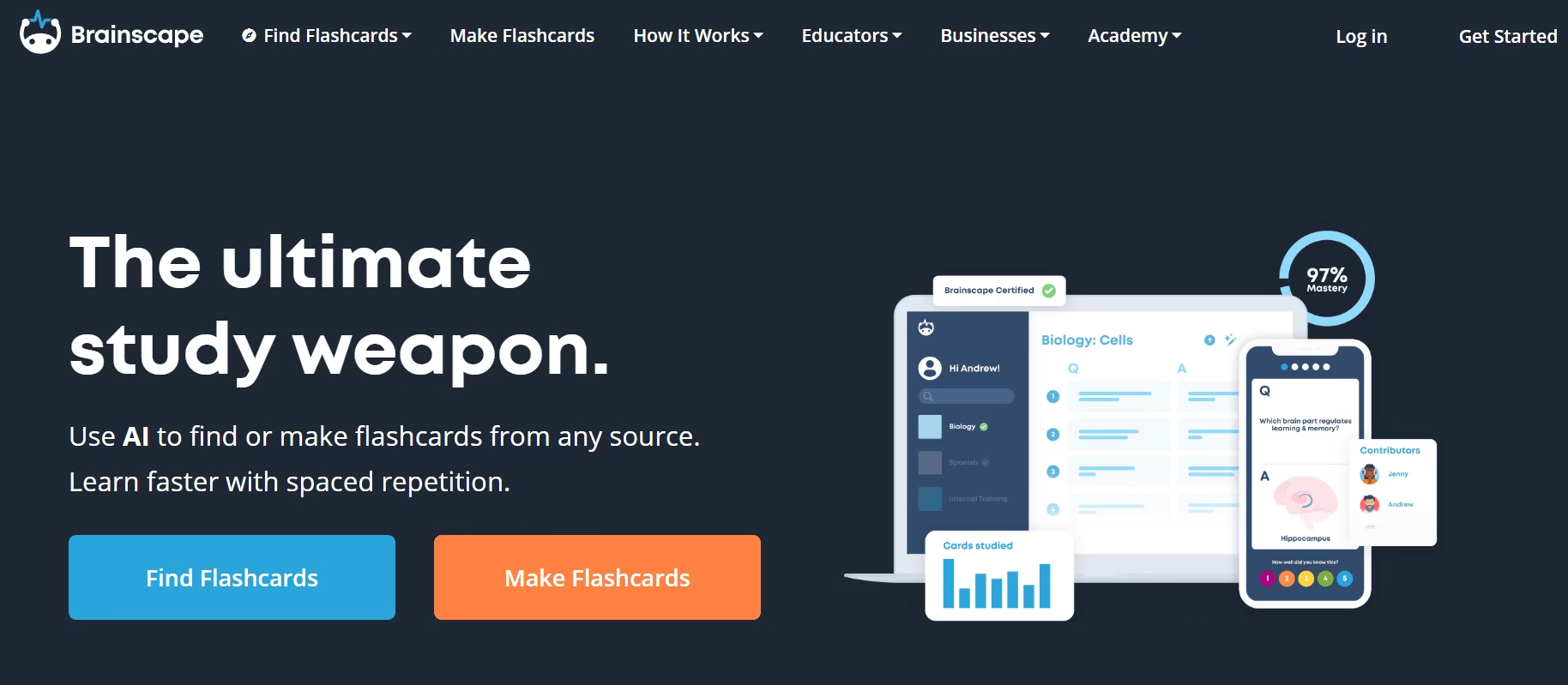
Brainscape is one of the most polished and research-backed flashcard platforms available today. It uses a method called confidence-based repetition, which is a refined version of spaced repetition. Instead of simply marking answers right or wrong, you rate how confident you feel. This helps the app adjust your study sessions more precisely.
I found Brainscape very easy to use. The interface is clean, and creating flashcards takes only a few minutes. Unlike traditional tools, it removes complexity and focuses on speed. That makes it perfect for learners who want to start studying immediately.
Another strong point is its content library. You can access thousands of pre-made decks across subjects like medicine, languages, and business. This saves a lot of time, especially during exam preparation.
The app also works smoothly across devices. Your progress syncs automatically, so you can switch between phone and laptop without issues.
Overall, Brainscape is a strong choice if you want a modern and efficient learning tool. It combines science with simplicity, which makes studying more effective and less stressful.
Key Features
- Confidence-based repetition system
- Large library of pre-made flashcards
- Clean and beginner-friendly interface
- Cross-device syncing
- Progress tracking and analytics
Pricing
- Free plan available
- Pro plan: $7.99/month
Best For:
Habit-driven learners who want structured and consistent study sessions
2. StudyStack
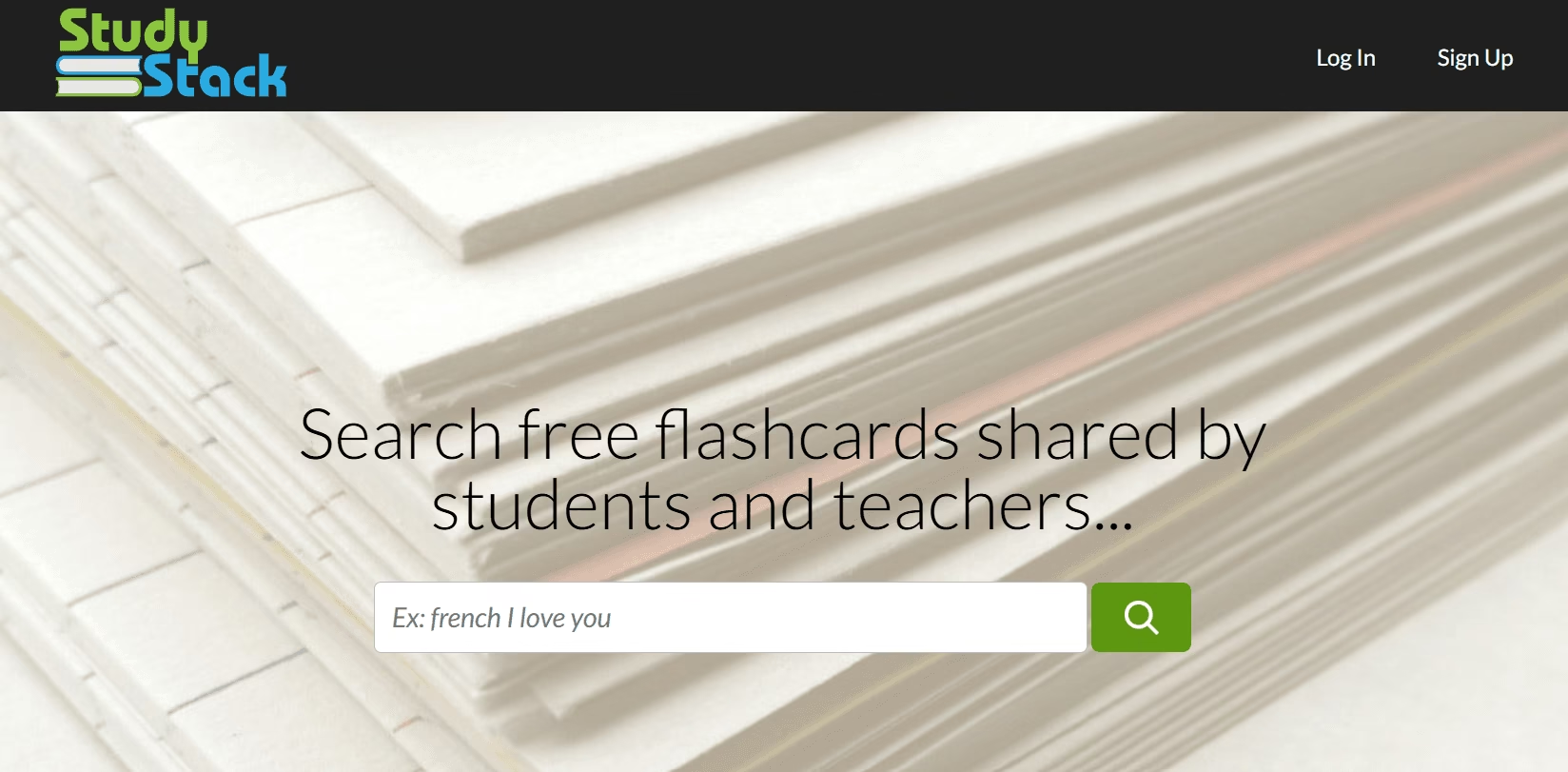
StudyStack is a simple and engaging platform designed mainly for casual learners and students who prefer interactive study methods. Unlike traditional flashcard tools, it turns your flashcards into games like matching, crossword puzzles, and quizzes. This makes learning feel less like work and more like play.
When I tested StudyStack, I noticed how quickly you can get started. You can either create your own flashcards or use existing ones shared by other users. This community-driven approach is helpful, especially for school-level subjects.
The interface is basic but functional. It may not look modern, but it gets the job done. More importantly, it keeps learners engaged through variety. This is something many apps like Anki do not offer.
Another advantage is accessibility. StudyStack runs smoothly on browsers, so you don’t always need to install an app. This makes it flexible for quick study sessions.
While it may lack advanced features, it is still a reliable option for light and consistent learning. It is especially useful for younger users or beginners.
Key Features
- Flashcards converted into games and quizzes
- Large user-generated content library
- Easy and quick setup
- Web-based access
- Interactive learning modes
Pricing
- Free plan available
- Premium: $1.50/month
Best For:
Younger or casual learners who enjoy gamified studying
3. SuperMemo
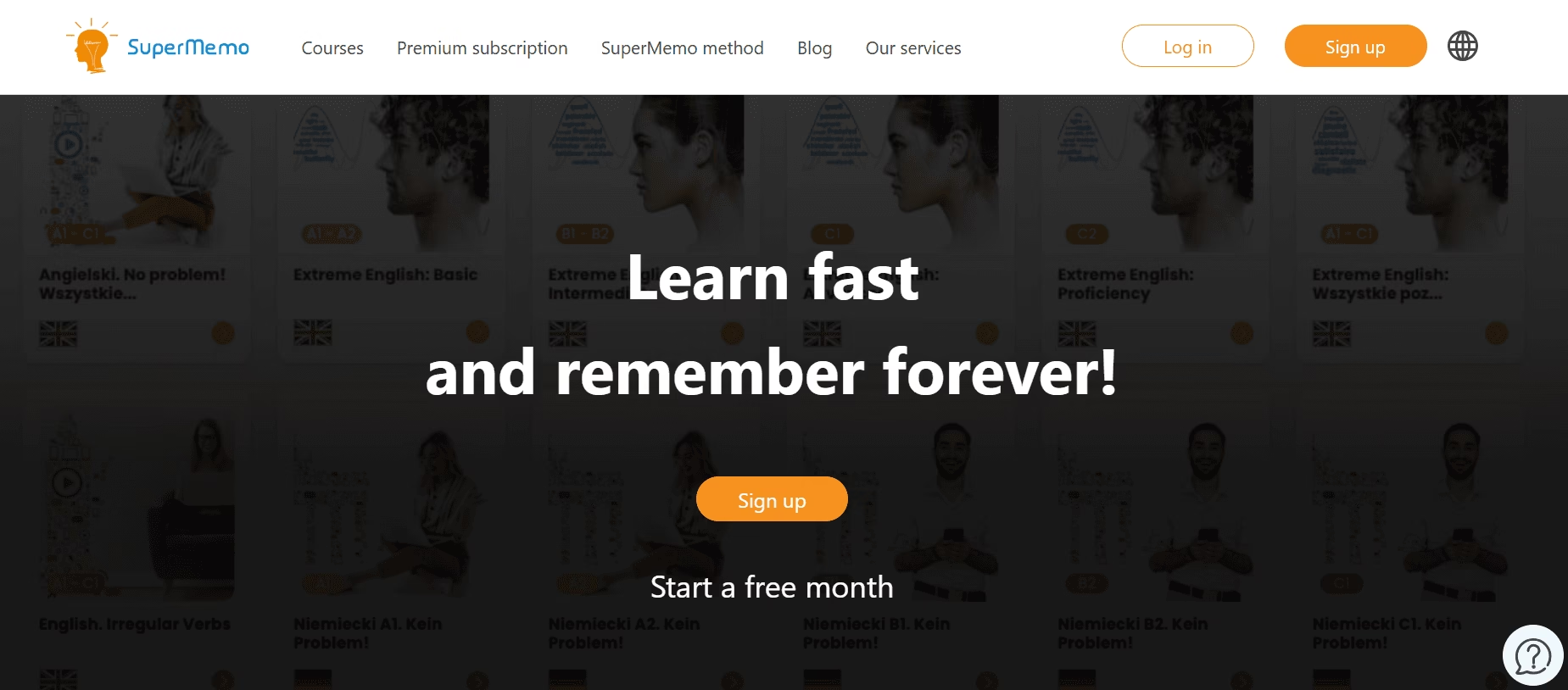
SuperMemo is actually the original creator of spaced repetition technology. It is a powerful tool, especially for language learners who want deep and long-term retention.
During testing, I found SuperMemo extremely effective but slightly complex. It offers advanced algorithms that adapt to your memory patterns. This makes it one of the most scientifically accurate learning tools available.
The app includes structured courses, especially for language learning. You don’t just review flashcards—you follow a guided path. This is helpful if you want a more complete learning experience.
However, the interface feels outdated, similar to Anki. It may take time to get used to. But once you understand it, the results are impressive.
SuperMemo is not for everyone. It is best suited for serious learners who are willing to invest time in mastering the system. If used correctly, it can deliver outstanding results.
Key Features
- Advanced spaced repetition algorithm
- Built-in language courses
- Detailed progress tracking
- Offline learning support
- Long-term memory optimization
Pricing
- 35.99 PLN/month
Best For:
Language learners who want deep and structured learning
4. Kahoot!
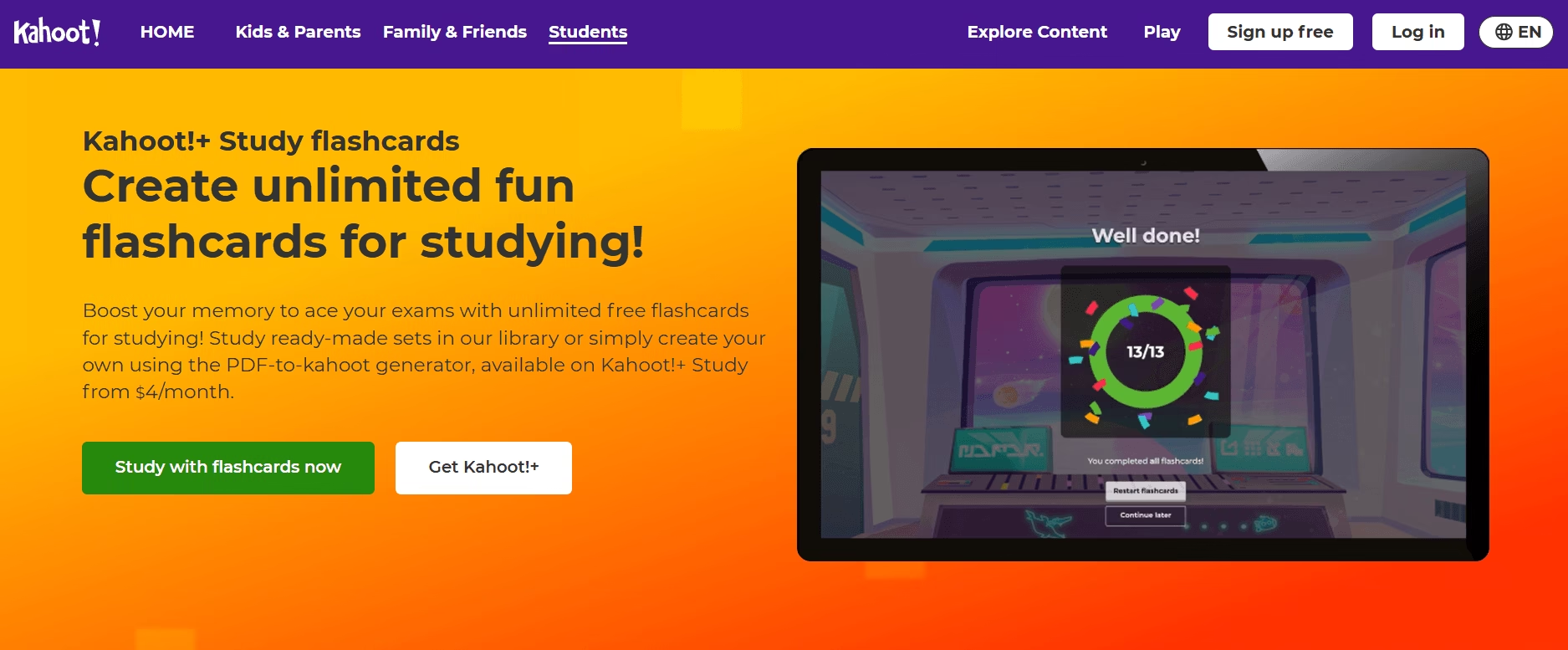
Kahoot! is widely known for its interactive and game-based learning experience. It is very different from traditional flashcard tools. Instead of passive learning, it focuses on active participation through quizzes and challenges.
When I used Kahoot!, I found it highly engaging, especially in group settings. You can create quizzes and share them with friends, classmates, or teams. This makes it ideal for classrooms and collaborative learning.
The design is modern and colorful. It keeps users motivated and focused. Unlike standard flashcard apps like Anki, Kahoot! turns learning into a fun activity.
It also supports live sessions and self-paced challenges. This flexibility makes it useful for both teachers and independent learners.
While it may not offer deep spaced repetition features, it excels in engagement and motivation. It is a great tool when you want to make studying enjoyable.
Key Features
- Interactive quizzes and live games
- Group learning support
- Easy quiz creation tools
- Engaging and colorful interface
- Real-time participation
Pricing
- Free plan available
- Paid plans start at $3/month
Best For:
Group or classroom-based learning with interactive sessions
5. FlashRecall
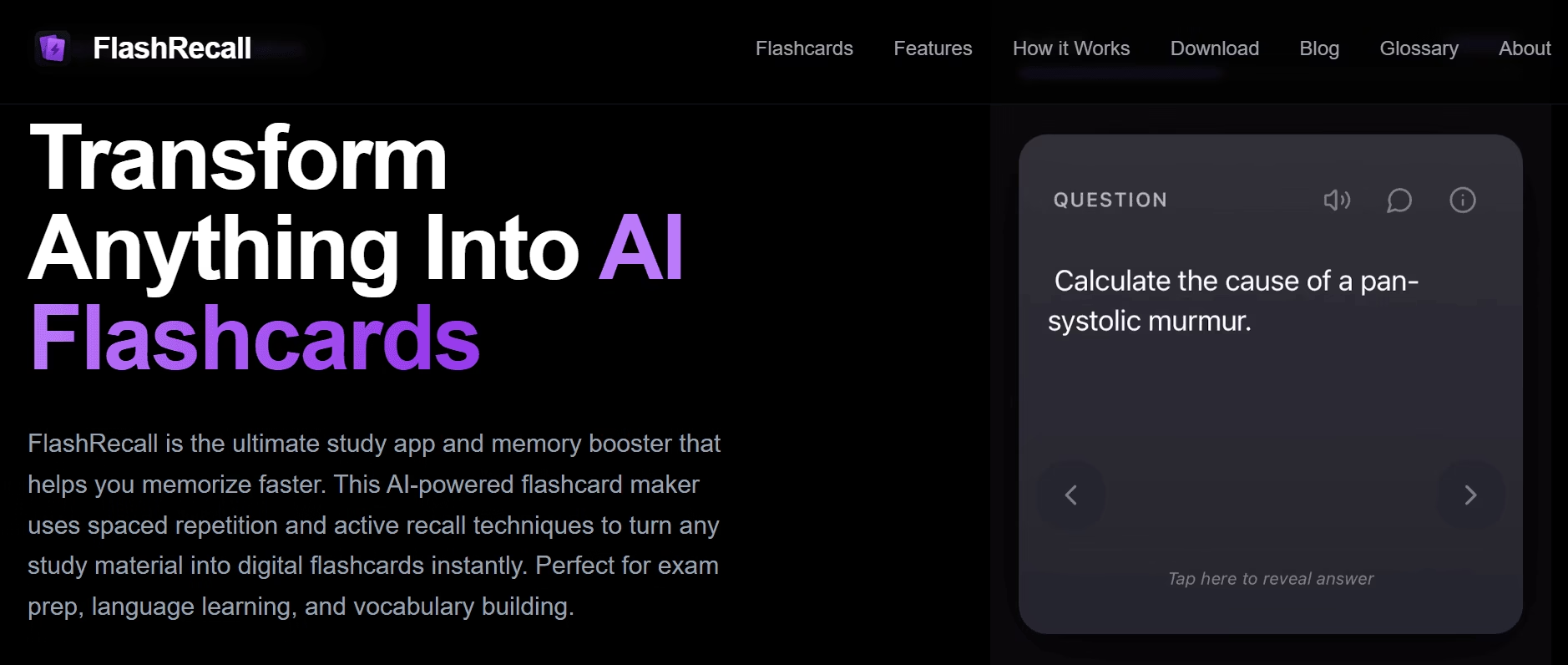
FlashRecall is one of the newest tools I tested, and it stands out because of its speed and AI-driven approach. It is designed for busy students who want quick and effective study sessions.
What impressed me most is how fast you can create flashcards. The app uses AI to generate cards instantly from notes or text. This saves a lot of time compared to manual creation.
The interface is modern and minimal. Everything feels smooth and distraction-free. You can jump into study mode within seconds.
FlashRecall also focuses on smart review systems. It tracks your performance and adjusts questions accordingly. This makes learning more efficient.
Although it is relatively new, it shows strong potential. It combines automation with simplicity, which is exactly what modern learners need.
If you are short on time and want instant results, FlashRecall is definitely worth trying.
Key Features
- AI-powered flashcard generation
- Fast and simple interface
- Smart review system
- Quick setup
- Performance tracking
Pricing
- Free plan available
- Premium: $14.99/month
Best For:
Busy students who need instant and efficient study sessions
Comparison of All Anki Alternatives
To make your decision easier, I’ve compared all the tools side by side. This will help you quickly see which app fits your needs best.
| App Name | Ease of Use | Key Strength | Pricing | Rating |
|---|---|---|---|---|
| Brainscape | Very Easy | Confidence-based learning | Free / $7.99/mo | 4.8/5 |
| StudyStack | Easy | Gamified learning | Free / $1.50/mo | 4.3/5 |
| SuperMemo | Moderate | Advanced memory algorithm | 35.99 PLN/month | 4.7/5 |
| Kahoot! | Very Easy | Interactive group learning | Free / $3/mo | 4.6/5 |
| FlashRecall | Very Easy | AI-powered speed learning | Free / $14.99/mo | N/A |
Key Features to Look for in Anki Alternatives
When choosing the right tool, you should focus on features that actually improve your learning—not just extra options.
1. Smart Repetition System
A good app should remind you at the right time. This improves memory without overloading you.
2. Simple Interface
You should be able to start quickly. Complex setups waste time and reduce motivation.
3. Cross-Device Sync
Your progress should stay updated across mobile, tablet, and desktop. This is important for daily use.
4. AI-Powered Learning
Modern tools now use AI to generate flashcards and improve study sessions automatically.
5. Offline Access
You should be able to study anytime, even without internet.
Free vs Paid Anki Alternatives: Which One Should You Choose?
Choosing between free and paid tools depends on your needs. Free apps are great for beginners. They offer basic features that are enough for simple learning. If you are just starting, you don’t need to spend money.
However, paid plans unlock advanced features. These include AI tools, detailed analytics, and better customization. If you are preparing for serious exams, upgrading can save time and improve results.
In many cases, the best approach is to start free and upgrade only when needed.
Use Cases: Choosing the Right Tool for Your Needs
Different learners have different goals. Let’s break it down simply.
Students Preparing for Exams
Choose tools with strong repetition systems and analytics. These are the best flashcard apps for exam preparation.
Language Learners
Apps with structured courses and long-term tracking work best.
Professionals
Busy users should pick tools that are fast and efficient, especially those with AI support.
Sum up
In this guide, we explored the top Anki Alternatives that offer better usability, smarter features, and improved learning experiences. We saw how modern tools simplify studying, how to choose the right app based on your needs, and what features truly matter for effective learning.
The key takeaway is simple: the best tool is the one that fits your style and helps you stay consistent. Whether you prefer structured systems, gamified learning, or AI-powered tools, there is a perfect option available.
As a next step, you might want to explore how AI is transforming education tools even further—especially how automation can help you learn faster with less effort.
People Also Ask (PAA) Questions
What are the best Anki alternatives?
The best Anki alternatives include Brainscape, StudyStack, SuperMemo, Kahoot!, and FlashRecall. These tools offer better design, easier setup, and advanced features like AI-powered learning and interactive quizzes.
Are there any free alternatives to Anki?
Many free Anki alternatives are available, such as Brainscape (free plan), StudyStack, and Kahoot!. These apps provide essential features without requiring a paid subscription.
Which app is better than Anki for beginners?
Brainscape and StudyStack are better for beginners because they are easier to use and require less setup compared to Anki.
What is the best flashcard app for exam preparation?
The best flashcard apps for exam preparation include Brainscape and SuperMemo because they use advanced repetition systems to improve long-term memory.
Are flashcard apps still effective for learning?
Yes, flashcard apps are highly effective because they use spaced repetition techniques to improve memory retention and reduce forgetting.
Do Anki alternatives use AI?
Yes, modern Anki alternatives like FlashRecall use AI to generate flashcards, track performance, and personalize learning for better results.