

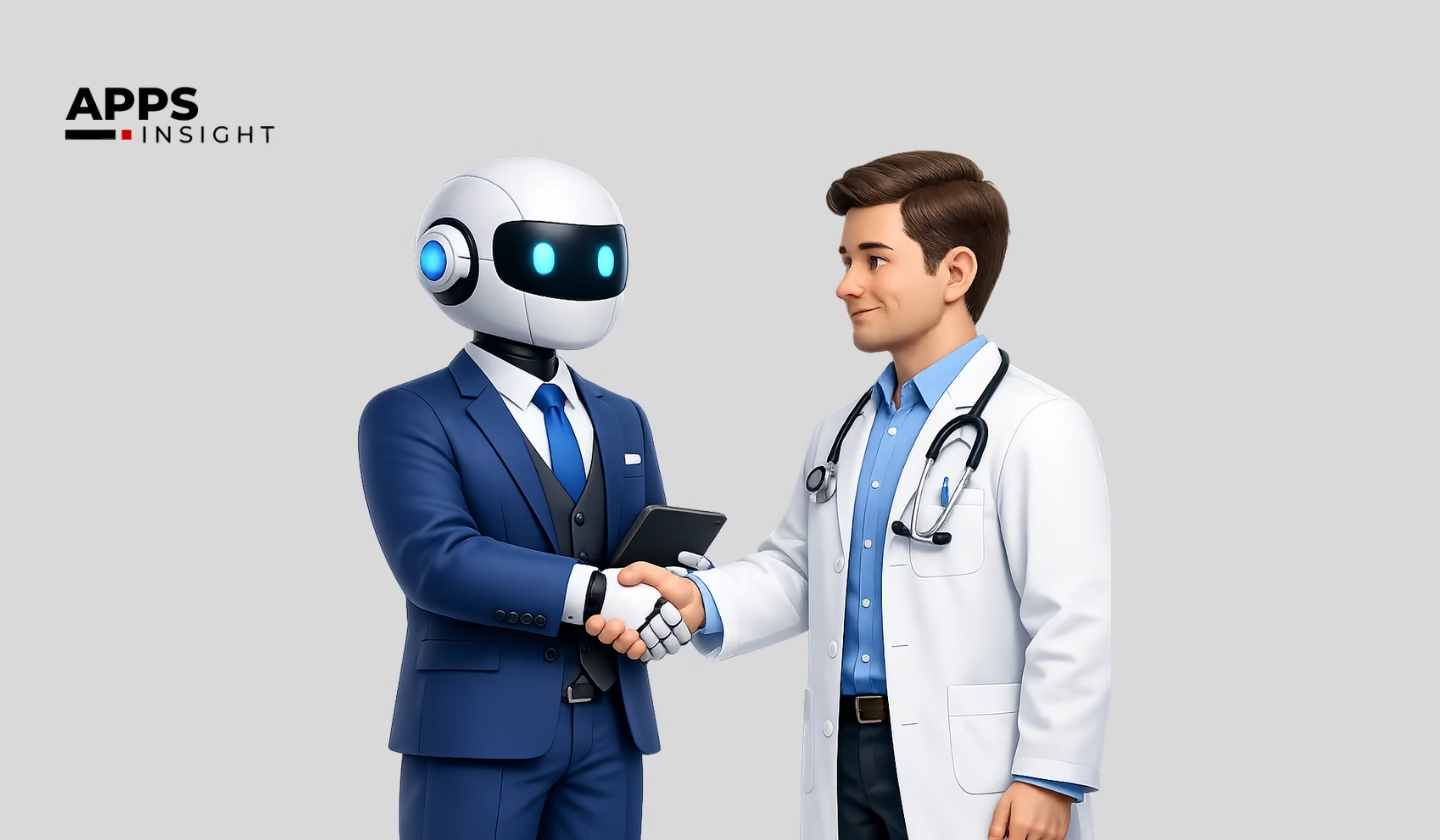
Healthcare providers are under constant pressure to improve patient care while managing growing workloads, staff shortages, and rising patient expectations. Patients today want faster responses, clear communication, personalized treatment plans, and easy access to healthcare services. This is where Agentic AI in Healthcare is becoming increasingly useful. Instead of only analyzing data, these AI systems can take actions, automate tasks, assist medical staff, and support personalized patient experiences in real time.
From scheduling appointments to monitoring chronic conditions and helping patients receive timely reminders, Agentic AI solution providers are helping healthcare providers improve both operational efficiency and patient satisfaction. The goal is not to replace healthcare professionals, but to support them with tools that reduce repetitive work and improve decision-making.
As healthcare systems continue to adopt digital technologies, understanding how AI can support personalized care has become important for hospitals, clinics, healthcare companies, and patients alike.
Understanding Agentic AI in Simple Terms
Agentic AI refers to AI systems that can perform tasks with a level of independence. Unlike traditional AI tools that only respond to direct commands, these systems can analyze information, make decisions within defined rules, and complete multi-step actions automatically.
For example, a traditional chatbot may only answer basic patient questions. An agentic AI system, however, can schedule appointments, send medication reminders, follow up with patients after visits, and notify healthcare staff if patient conditions change.
In healthcare, this type of AI often works by combining:
- Patient data
- Medical records
- Workflow automation
- Predictive analytics
- Communication tools
The result is a system that can support healthcare providers throughout the patient journey.
Many experts discussing Autonomous AI systems believe healthcare will remain one of the strongest sectors for practical AI adoption because hospitals and clinics deal with large amounts of data and repetitive administrative processes every day.
Looking for? How to Build Enterprise AI Agents
Why Personalized Patient Experiences Matter
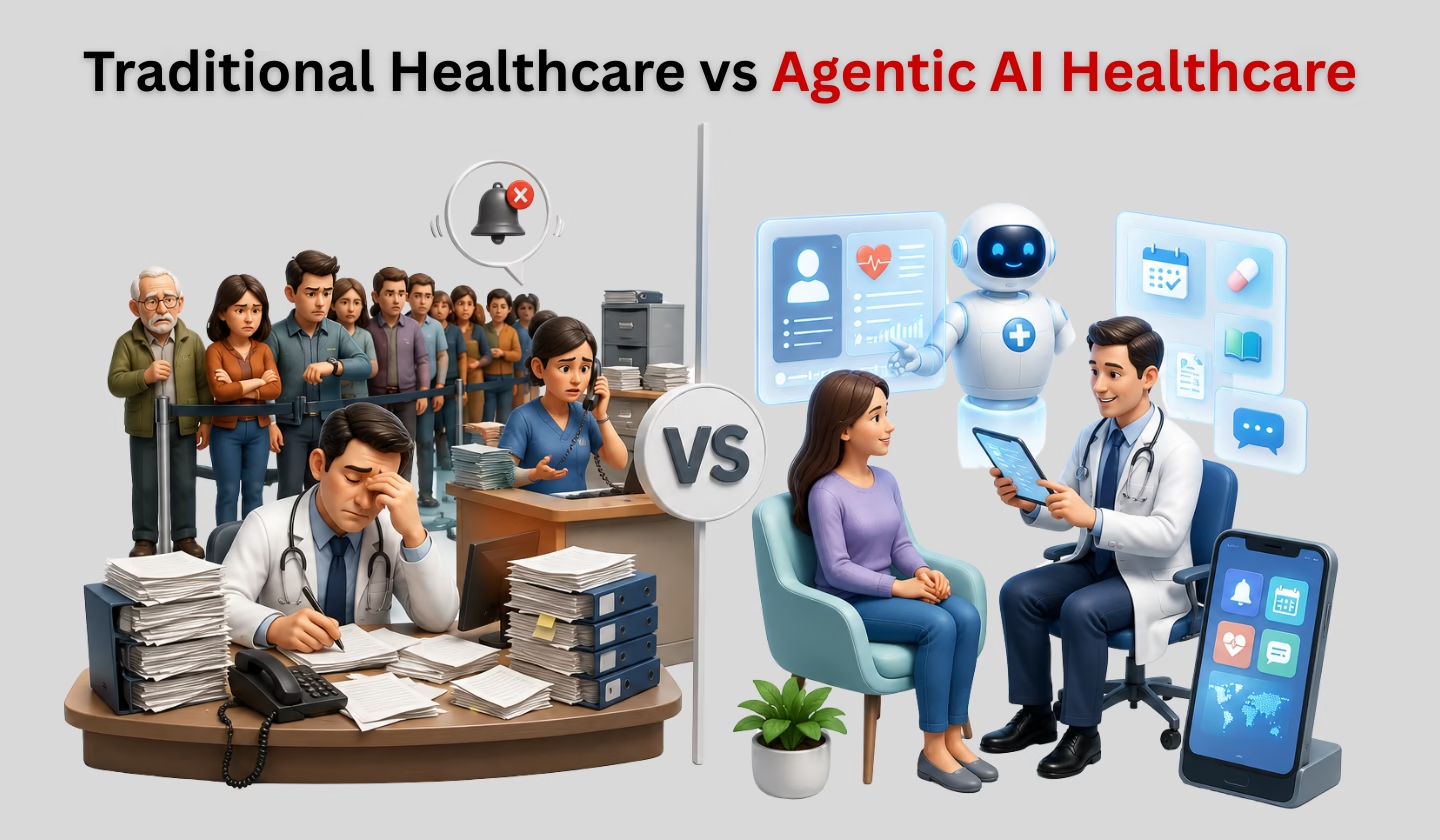
Healthcare is not only about diagnosis and treatment. Patient experience also plays a major role in outcomes and satisfaction. Patients are more likely to follow treatment plans when communication is clear, appointments are convenient, and support is available when needed.
However, many healthcare providers face challenges such as:
- Long waiting times
- Limited staff availability
- Administrative overload
- Difficulty tracking patient follow-ups
- Inconsistent communication
Personalized care helps address these problems by tailoring services to individual patient needs. This can include:
- Customized reminders
- Individual treatment recommendations
- Personalized educational content
- Monitoring based on patient history
- Language-specific communication
AI systems can support these efforts by processing information quickly and responding based on each patient’s situation.
How Agentic AI Supports Healthcare Providers
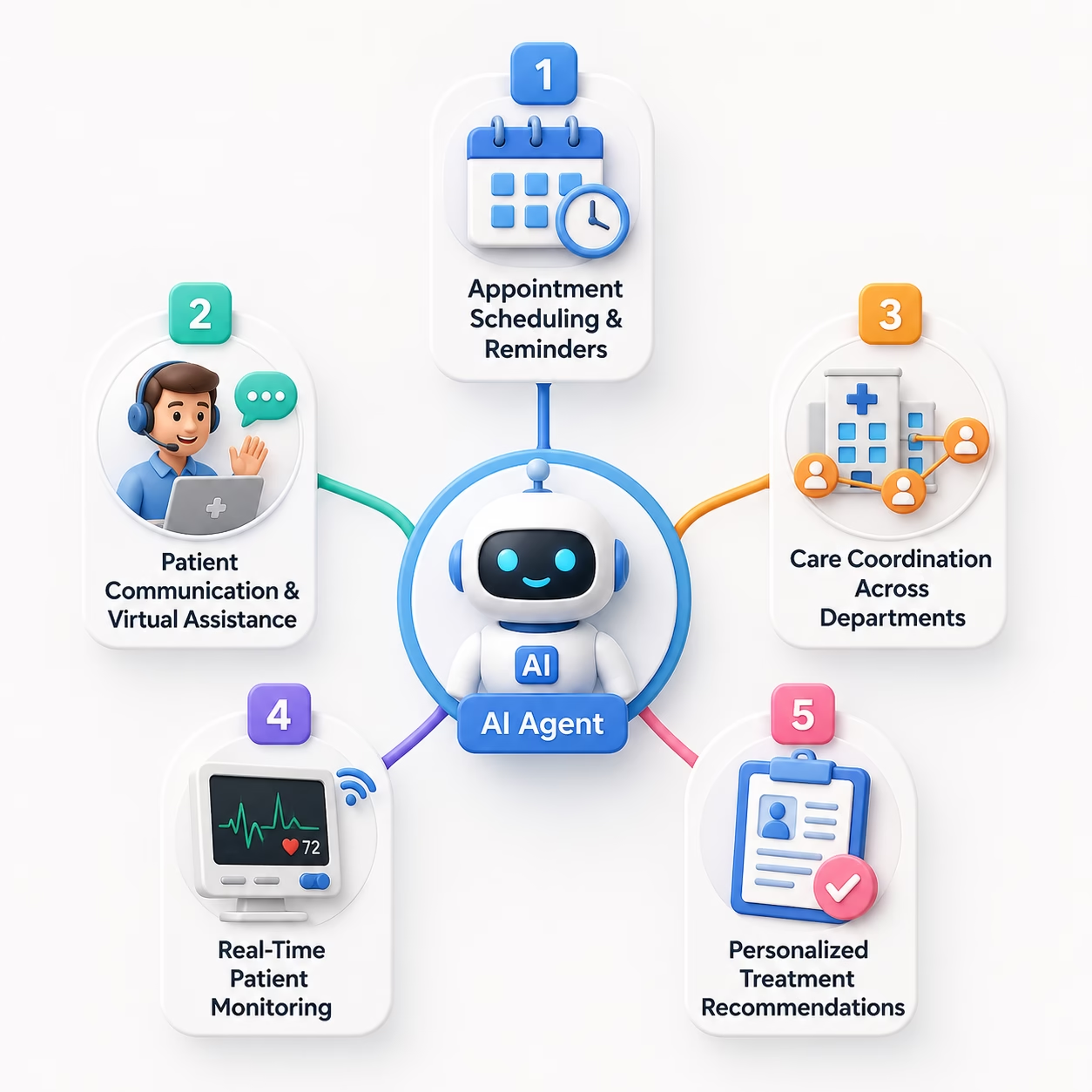
1) Appointment Scheduling and Reminders
One of the most common uses of AI in healthcare is appointment management. Patients often miss appointments because of scheduling confusion, forgetfulness, or delayed communication.
AI systems can:
- Automatically schedule appointments
- Send reminders through SMS or email
- Reschedule canceled visits
- Suggest available time slots
- Notify patients about delays
This reduces administrative workload while improving patient attendance rates.
For example, if a patient cancels an appointment, the AI system can immediately offer the open slot to another patient waiting for care. This helps healthcare providers use their schedules more efficiently.
2) Patient Communication and Virtual Assistance
Patients frequently have simple questions related to medications, symptoms, appointments, or healthcare instructions. AI-powered virtual assistants can provide immediate responses at any time of day.
These assistants can help patients:
- Find nearby healthcare services
- Understand prescription instructions
- Access test results
- Receive post-treatment guidance
- Ask non-emergency medical questions
This improves accessibility while reducing pressure on support staff.
In many healthcare organizations, AI systems now handle first-level communication before routing complex issues to human professionals.
3) Care Coordination Across Departments
Large hospitals often struggle with communication between departments. A patient may interact with reception staff, nurses, specialists, pharmacists, and billing teams during one healthcare visit.
Agentic AI systems can help coordinate information across these departments by:
- Updating patient records automatically
- Sharing relevant medical information securely
- Tracking treatment progress
- Sending alerts for missed follow-ups
- Managing discharge instructions
This creates a smoother patient experience and reduces errors caused by fragmented communication.
4) Real-Time Patient Monitoring
Remote patient monitoring has become increasingly common, especially for chronic disease management.
AI systems connected to wearable devices can track:
- Heart rate
- Blood pressure
- Glucose levels
- Sleep patterns
- Oxygen levels
If unusual readings appear, healthcare providers can receive alerts immediately.
For example, if a patient with heart disease shows signs of irregular heart activity, the system can notify healthcare staff before the condition becomes serious.
This allows faster intervention and more proactive care.
5) Personalized Treatment Recommendations
Healthcare providers use large amounts of patient information when deciding treatments. AI systems can analyze patient history, symptoms, lab reports, and treatment responses to assist doctors with recommendations.
This does not replace medical professionals. Instead, it helps them identify patterns and possible treatment options more quickly.
AI-assisted recommendations may include:
- Medication suggestions
- Lifestyle guidance
- Risk assessments
- Preventive care plans
- Follow-up schedules
The use of Agentic AI in Healthcare helps healthcare teams provide more individualized support while improving efficiency.
We have listed! Smart AI Agents Every Business Owner Needs Right Now
Agentic AI Solution for Improving Administrative Workflows
Administrative work is one of the biggest sources of pressure in healthcare environments. Doctors and nurses often spend significant time updating records, handling paperwork, and processing documentation. AI systems can reduce these repetitive tasks.
1) Managing Patient Records
Electronic health records contain valuable patient information, but updating and organizing records manually takes time.
AI tools can:
- Summarize patient visits
- Organize medical notes
- Update records automatically
- Reduce duplicate entries
- Improve data accuracy
This allows healthcare professionals to spend more time with patients instead of paperwork.
2) Insurance and Billing Support
Billing and insurance processes are often complicated for both healthcare providers and patients. AI systems can assist by:
- Verifying insurance details
- Identifying billing errors
- Processing claims faster
- Explaining payment information to patients
This improves operational efficiency while reducing administrative delays.
3) Supporting Healthcare Staff Productivity
Healthcare staff burnout remains a major issue globally. Repetitive administrative tasks contribute significantly to stress levels among medical professionals.
AI support systems help by automating routine work such as:
- Data entry
- Scheduling
- Documentation
- Follow-up messaging
- Patient triage
As a result, staff can focus more on patient care and less on repetitive administrative responsibilities.
Many organizations offering Healthcare AI solutions focus specifically on reducing operational burden while improving patient communication.
The Role of Data in Personalized Healthcare
Personalized healthcare depends heavily on accurate and accessible data. AI systems work best when they can analyze large amounts of patient information securely and efficiently.
1) Electronic Health Records
Electronic health records provide a centralized source of patient information including:
- Medical history
- Prescriptions
- Allergies
- Test results
- Treatment plans
AI systems use this information to support decision-making and identify important patterns.
For example, if a patient repeatedly misses medications or appointments, the AI system may trigger reminders or suggest additional follow-up support.
Want to know? Cost to Develop a Telemedicine App
2) Wearables and Remote Monitoring Devices
Many patients now use wearable health devices that collect real-time health data.
These devices help healthcare providers monitor conditions remotely without requiring constant hospital visits.
Examples include:
- Smartwatches
- Glucose monitors
- Fitness trackers
- Blood pressure monitors
AI systems can analyze this data continuously and detect changes that may require medical attention.
3) Predictive Analytics
Predictive analytics allows AI systems to estimate potential health risks based on historical and real-time data. Healthcare providers may use predictive models to:
- Identify high-risk patients
- Prevent hospital readmissions
- Detect early signs of disease
- Improve preventive care planning
This helps providers act earlier rather than waiting for conditions to worsen.
4) Data Privacy and Responsible AI Usage
Healthcare data is highly sensitive. Because of this, healthcare providers must ensure AI systems follow privacy regulations and security standards.
Responsible AI usage includes:
- Data encryption
- Secure patient consent
- Human oversight
- Transparent AI decision-making
- Bias monitoring
Without proper safeguards, patient trust can be affected.
Must Read: Agentic Healthcare is Transforming the Patient Experience
Real Examples of AI in Healthcare
Many healthcare organizations already use AI-supported systems in daily operations.
1) AI-Powered Hospital Assistants
Hospitals use virtual assistants to guide patients through appointment booking, symptom checking, and basic support questions.
These systems improve patient access to information while reducing pressure on hospital call centers.
2) Chronic Disease Management
Patients with diabetes, hypertension, or heart disease often require continuous monitoring.
AI systems can help track patient health trends and provide reminders related to:
- Medication schedules
- Diet plans
- Exercise recommendations
- Follow-up visits
This supports long-term patient engagement.
3) Mental Health Support Systems
Some healthcare providers use AI-powered platforms to support mental health services.
These systems may assist with:
- Mood tracking
- Daily wellness check-ins
- Therapy reminders
- Early detection of emotional distress
Human therapists still play the central role, but AI tools can help maintain regular patient engagement between appointments.
4) Remote Patient Care
Remote healthcare became more common after the growth of telemedicine services.
AI systems now support remote care by:
- Managing virtual consultations
- Monitoring patient symptoms
- Providing digital health guidance
- Supporting follow-up communication
This improves healthcare access for patients living in remote or underserved areas.
Some of the best agentic AI companies are currently developing healthcare-focused systems that combine workflow automation, predictive analytics, and patient communication tools.
Read once! How to Choose the Right Medical Billing Software Development Company for Your Healthcare Business
Challenges and Limitations
While AI offers many advantages, healthcare providers also face several challenges when implementing these systems.
1) Data Privacy Concerns
Healthcare organizations must protect patient data carefully. Unauthorized access or data breaches can create serious legal and ethical issues.
Strong cybersecurity systems are necessary for safe AI adoption.
2) Bias in AI Systems
AI systems learn from existing data. If historical healthcare data contains bias, AI recommendations may also become biased.
Healthcare providers must regularly evaluate AI systems to ensure fairness and accuracy.
3) Need for Human Oversight
AI should support healthcare professionals, not replace them.
Medical decisions often involve emotional understanding, ethical judgment, and complex reasoning that require human involvement.
Doctors, nurses, and healthcare teams remain responsible for patient care decisions.
4) Technology Integration Challenges
Some hospitals still use older digital systems that may not integrate easily with modern AI platforms. Healthcare providers may face challenges related to:
- Staff training
- System compatibility
- Implementation costs
- Workflow adjustments
Successful AI adoption often requires gradual implementation and continuous improvement.
Several Agentic AI firms in New York are currently working with healthcare organizations to improve integration between AI platforms and existing hospital systems.
Looking for? How to Build Patient Management Software
Future Trends in AI-Powered Healthcare
Healthcare AI is expected to continue growing over the next several years.
1) Smarter Patient Engagement
Future AI systems may provide even more personalized patient support by analyzing behavior patterns, communication preferences, and treatment responses.
Patients may receive:
- Personalized health education
- Preventive care reminders
- Medication adherence support
- Real-time wellness insights
2) AI-Assisted Diagnostics
AI tools are increasingly helping healthcare professionals analyze medical images, lab results, and patient records more efficiently. These systems may support earlier disease detection and faster clinical decision-making.
3) Better Collaboration Between Humans and AI
The future of healthcare AI will likely focus on collaboration rather than automation alone. Healthcare professionals will continue leading patient care while AI systems handle repetitive tasks, data analysis, and workflow coordination. This balance can improve both efficiency and patient outcomes.
4) Expansion of Generative AI Applications
The use of Generative AI in healthcare is also expanding in areas such as medical documentation, patient communication, and healthcare education. These tools help create summaries, automate responses, and simplify large amounts of medical information for healthcare professionals and patients.
5) Growth of AI Companies in Healthcare
Many agentic AI companies in the USA are increasing investments in healthcare technologies because hospitals and healthcare providers continue searching for ways to improve efficiency and patient care quality.
As AI tools become more practical and regulated, adoption is expected to increase across clinics, hospitals, insurance providers, and telehealth services.
Do you know? Top Benefits of Custom Healthcare Software Development
Sum up
Healthcare providers are facing increasing demands to improve patient care while managing operational complexity. Personalized patient experiences are becoming an important part of modern healthcare, and AI systems are helping organizations respond more effectively.
By automating administrative tasks, improving communication, supporting remote monitoring, and assisting with care coordination, Agentic AI in Healthcare can help providers deliver more responsive and personalized services.
At the same time, responsible implementation remains essential. Healthcare organizations must focus on patient privacy, human oversight, fairness, and transparency when using AI technologies.
The goal is not to replace healthcare professionals, but to support them with tools that improve efficiency and help patients receive timely, personalized care.
As healthcare technology continues evolving, AI-assisted systems will likely become a standard part of healthcare operations. Providers that adopt these tools carefully and responsibly may improve patient experiences while reducing administrative pressure on medical teams.
For more related insights, trends, and technology updates, readers can explore AppsInsight.

Pingback: Digital Pharmacies Are Outpacing Traditional Chains Across Globe