
Understanding artificial intelligence feels easier when you see how it already shapes daily life. This guide walks through 25 surprising and fun AI facts that show how AI works, why it matters, and what these developments mean for you. These examples are simple, practical, and clear. You can read this guide even if you are new to the topic. Many readers search for AI facts for beginners, so each point explains the idea with real examples.
Let’s explore the facts one by one.
1. AI Assistants Often Have Female Voices. Here’s Why


Most digital assistants use female voices. This includes Siri, Alexa, and Google Assistant. Many research groups ran studies that showed users often rate female voices as easier to understand in short instructions. Some studies also show that people respond more calmly to female tones during problem-solving tasks.
This design choice is not perfect. It reflects social patterns and biases. Some companies now offer neutral voices. The goal is to reduce gender stereotypes in voice technology. For users, this means you can now choose your preferred voice instead of accepting the default.
2. The Idea of AI Goes Back to Ancient Times

Artificial intelligence might seem recent, but the idea of creating intelligent machines began long ago. Ancient Greeks wrote stories about mechanical servants. Early Chinese texts described automated devices built for emperors. These stories show that humans have imagined non-human intelligence for centuries.
Modern AI is different because it uses data, statistics, and computing power. But the basic desire to build thinking machines is old. This fact helps beginners connect old ideas with modern tools.
We have listed! Best AI Tools For 2026
3. AI Can Be an Artist

AI art tools like DALL·E and DeepArtcan create paintings, music, and written stories. They work by learning patterns in data. When they produce new content, they combine learned patterns in new ways.
For example, image models study millions of pictures. They learn the shapes, colors, and styles used by artists. When you type a prompt, the model uses patterns to create a new image. Music models do the same with audio patterns.
AI artwork can be detailed, useful, and creative. But it has limits. It cannot feel emotion, and it cannot judge meaning. It only predicts what should come next based on past examples.
Looking for? AI Software Development Company For Intelligent Apps
4. Self-Healing Robots Exist
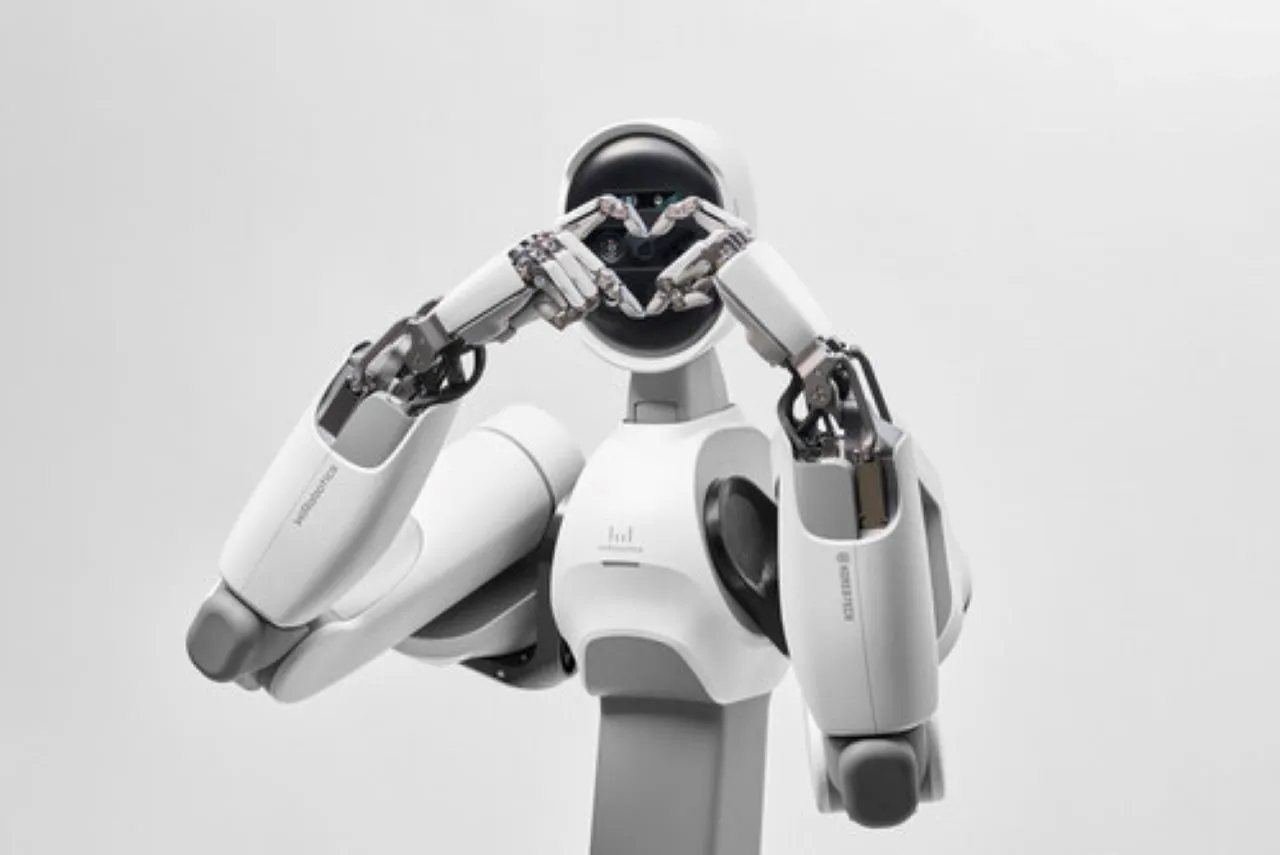
Some robots can repair themselves. This works through self-healing materials. These materials react to damage by filling cracks or reconnecting separated parts.
For example, researchers built soft robots that can seal cuts in their body. The process uses chemical reactions that activate when material stretches or breaks. These robots help in dangerous environments where repairs are difficult.
The idea is still new. Most self-healing robots are in labs. But the technology shows how AI and materials science work together.
5. AI Startups Attract Billions

Investors spend large amounts on AI startups. Funding reports show steady growth over the past decade. Many startups work on automation, cybersecurity, medical tools, and robotics. Startups like OpenAI, Anthropic, and DeepMind have reshaped the landscape.
Money supports research teams, data storage, and model training. But investment also comes with pressure to show results. Companies must balance innovation with safe and responsible use.
Listed Here! Best AI Apps For IPhone
6. AI Is Now Affordable for Small Businesses



Gone are the days when only companies like Google, Microsoft, or IBM could afford to build and deploy artificial intelligence. Today, AI has become democratized, meaning anyone—from solo entrepreneurs to small family-run businesses—can use it without massive budgets or complex infrastructure.
Cloud platforms such as AWS, Google Cloud, and Microsoft Azure offer easy, pay-as-you-go pricing models that eliminate the need for expensive hardware. This allows even small teams to run AI models, automate tasks, or analyze data without building everything from scratch.
But the biggest shift comes from open-source and no-code AI tools. Platforms like:
- Hugging Face (pre-trained models for text, images, embeddings, and more)
- Zapier AI (AI automation for workflows)
- Peltarion and other no-code ML tools
…make it possible for businesses with zero technical staff to integrate machine learning into their apps, websites, and operations. This means AI is no longer a luxury—it’s becoming an everyday utility.
Do you know? ChatGot AI: How It Works and Why It’s Popular
7. AI Is Transforming Healthcare

Healthcare uses AI for medical imaging, diagnostics, and patient monitoring. Imaging tools can detect patterns that may be difficult for humans to see. For example, lung scans can be analyzed for early signs of disease.
Hospitals use predictive models to estimate patient risks. These tools support doctors, but they do not replace clinical judgment. They help professionals focus on high-risk cases and manage workloads.
8. AI Is Helping Explore the Universe

Space agencies use AI to analyze telescope images. These images contain huge amounts of data. AI helps filter noise, identify planets, and spot unusual patterns.
NASA uses AI in spacecraft navigation. The system studies sensor data and adjusts flight paths. This reduces human workload and makes long-distance missions possible.
AI cannot replace scientists. It supports them by processing data faster.

9. AI Predicts Equipment Failures

Factories use AI to predict when machines need repairs. This process is called predictive maintenance. Sensors collect data about temperature, vibration, and energy use. AI models compare current readings with past failure patterns.
If the system notices a pattern, it warns operators. This reduces downtime and repair costs.
10. AI Drives Profitability

Many companies use AI to improve planning, inventory management, and customer service. Retailers use demand forecasting to avoid stock shortages. Delivery companies use routing tools to reduce fuel use.
These systems help organizations improve efficiency. They do not make decisions alone but support human teams.
Listed Here! AI Forecasting Tools
11. China Is Racing Ahead in AI
China invests heavily in AI research and infrastructure. Reports show high publication rates in scientific journals. Companies like SenseTime, Baidu, and Huawei are building facial recognition systems used in public security, retail, and banking. The country also trains large numbers of engineers.
Many companies in China develop facial recognition, logistics tools, and robotics. This investment influences global competition.
12. AI Played a Big Role in Fighting COVID-19
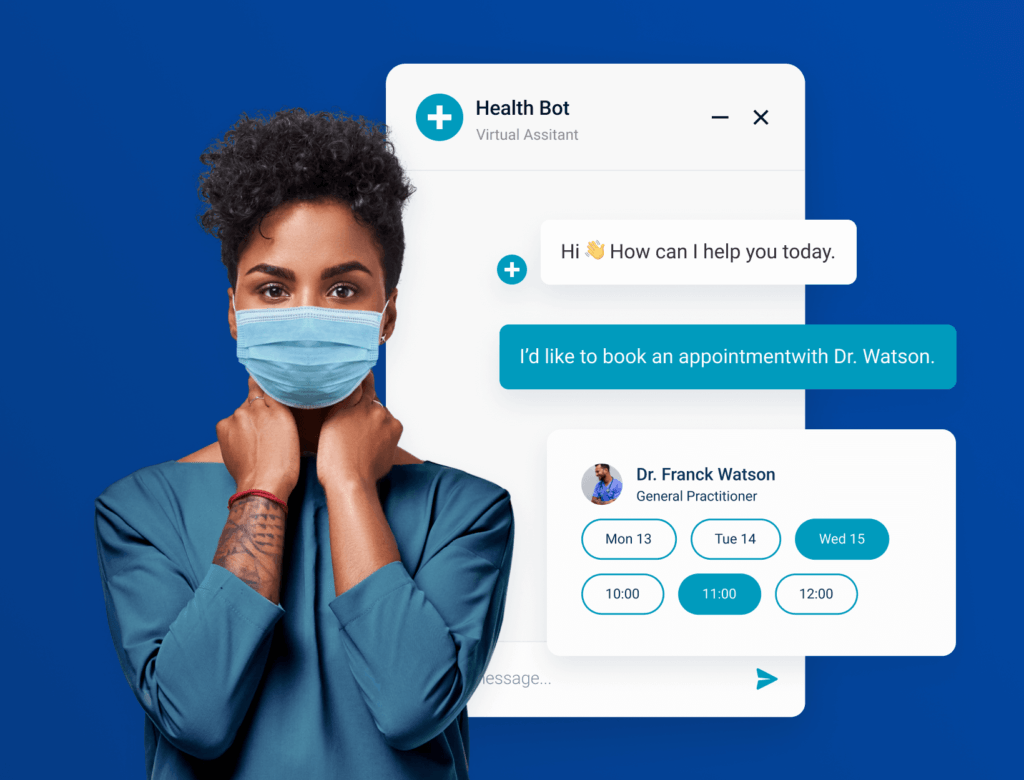
During the pandemic, AI helped track infection rates, identify outbreak patterns, and assist in drug discovery. AI chatbots handled millions of inquiries from concerned citizens, reducing the burden on healthcare professionals. Some hospitals used AI for triage. It helped determine which patients needed immediate care.
These tools supported human teams during a time of high demand. They were not perfect but helped process data quickly.
13. Elon Musk Predicts AI Will Surpass Human Intelligence

Elon Musk often discusses AI’s future. One prediction suggests that AI may become more capable than human intelligence. Scientists hold different opinions. Some agree, while others believe human judgment remains critical.
The prediction encourages discussions about safety, design, and oversight.
14. AI Poses Ethical and Existential Questions

AI systems can show bias if trained on biased data. This affects decisions in hiring, lending, and law enforcement. Ethical frameworks help address these issues.
Another concern is AI safety. Complex models can be difficult to understand. This makes oversight important. These questions are not solved yet.
15. AI Could Replace Jobs but Will Also Create New Ones

Automation can replace repetitive tasks. But AI also creates new roles in engineering, analysis, and system monitoring.
Workers benefit from learning digital skills, communication, and problem-solving. These skills stay valuable even as tools change.
16. The FBI Uses AI for Threat Detection

The FBI uses pattern recognition tools to analyze data for potential threats. These systems study communication patterns, financial activity, and online signals.
The use of AI in law enforcement raises privacy questions. Agencies must balance security with civil rights.

17. AI Reduces Energy Consumption

Smart grids use AI to predict electricity demand. This helps reduce waste. Buildings use AI to adjust heating, cooling, and lighting based on occupancy patterns.
Manufacturing plants use optimization tools to reduce fuel use. These changes save money and lower emissions.
18. A Robot Has Citizenship
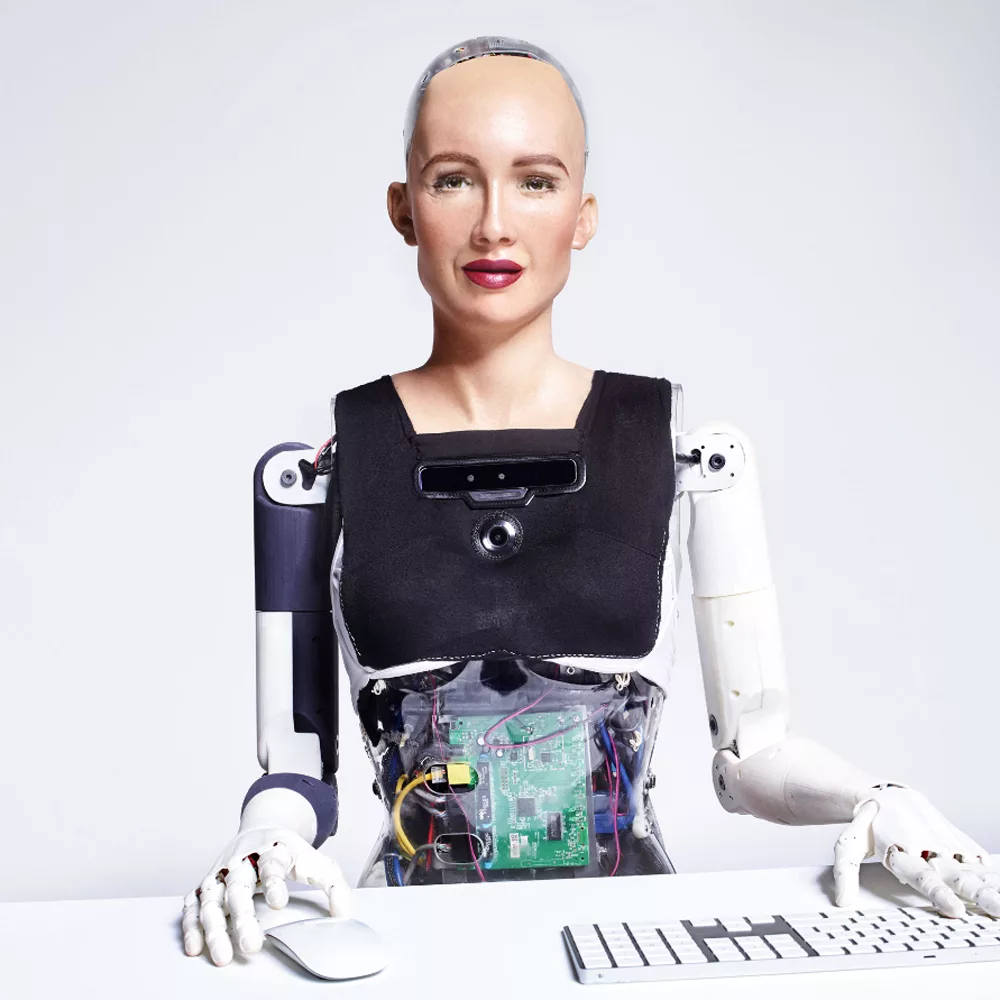
Sophia, a social robot, received citizenship in Saudi Arabia. This symbolic gesture drew global attention. Many experts debated what it means for AI and society.
The event showed how people interact emotionally with human-like robots.
19. AI Can Predict Mortality Rates
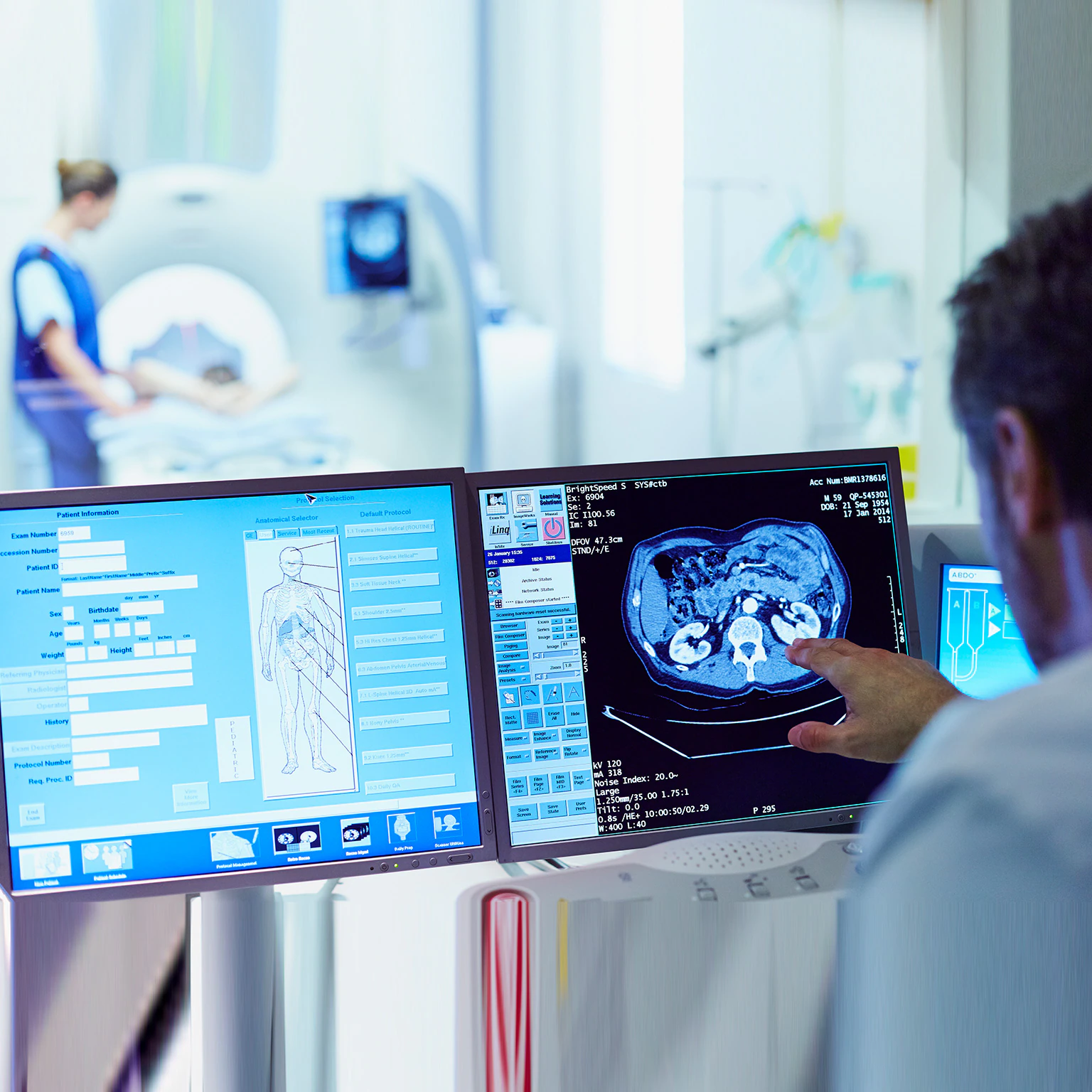
Hospitals use AI to estimate patient survival risks. These systems study medical history, vital signs, and lab results. The goal is to support doctors in making informed decisions.
These models must be monitored for accuracy and fairness. Hospitals use them as one part of a larger evaluation process.
20. The Black-Box Problem Limits Trust

Many AI models are not transparent. This makes it hard to understand how they reach conclusions. The issue is called the black-box problem.
Researchers work on explainable AI to improve clarity. The goal is to show which data influenced a decision. This makes systems easier to trust.

21. AI Can Write Code and Build Apps

AI tools can write simple code, test functions, and suggest improvements. They learn programming patterns from large codebases.
These tools help beginners learn faster. They also help experts work more efficiently. But they cannot fully replace deep engineering skills.
22. AI Detects Fake News

AI models classify text by comparing it with known patterns of misinformation. They detect unusual writing styles, misleading claims, or manipulated images.
The tools help users identify potential risks. But no system is perfect. Human review remains important.
23. AI Enhances Accessibility

AI supports people with disabilities through speech-to-text, text-to-speech, and real-time translation. Computer vision describes images for visually impaired users. Students use these tools to improve independence.
These systems show how AI helps society in practical ways.
24. AI Can Design Buildings and Cities

Architects use AI to study layouts, lighting, airflow, and energy use. Urban planners model traffic patterns and population changes. AI simulates thousands of scenarios.
This helps teams design safer and more efficient spaces. AI supports planning but does not replace the vision of designers.
25. AI Can Read Emotions

Emotion recognition systems study facial expressions, voice tone, and body language. They estimate emotional states such as stress, excitement, or confusion.
Accuracy varies by culture, age, and environment. This makes the technology helpful but not fully reliable. Developers must train these systems carefully.
We have listed! AI Tools for Students in 2025 (Mostly FREE)
Sum up
These 25 facts highlight how AI already shapes daily life. They also show how important it is to understand both strengths and limits. Whether you study AI, run a business, or write code, these insights help you see where the field is heading. You can apply these fun AI facts to improve decision-making, explore new tools, and stay informed about trends.