10 Best Container Tracking Software for Real-Time Shipment Tracking in 2026
If you want to know where your shipment is at any moment, container tracking software helps by providing real-time visibility of containers across ports, carriers, warehouses, and transportation networks. In 2026, businesses use these platforms to reduce delays, improve planning, and keep customers informed with accurate shipment updates.
Whether you manage international freight, eCommerce deliveries, manufacturing logistics, or retail distribution, choosing the right tracking platform can make shipment monitoring easier and more reliable.
As global supply chains become more complex, companies need better visibility into container movement. Delayed shipments, port congestion, weather disruptions, and documentation issues can impact delivery timelines. Modern tracking platforms help businesses identify these issues early and respond faster.
Many organizations are also integrating tracking solutions with container tracking software to improve operational visibility across procurement, transportation, inventory, and delivery processes.
Queries
What is container tracking software?
Container tracking software is a digital solution that provides real-time visibility into the location and status of shipping containers throughout the transportation process.
Why is real-time shipment tracking important?
Real-time shipment tracking helps businesses monitor deliveries, identify delays early, improve planning, and communicate accurate updates to customers.
Which industries use container tracking software?
Manufacturing, retail, eCommerce, logistics, freight forwarding, distribution, and international trade companies commonly use shipment tracking platforms.
What features should container tracking software include?
Important features include real-time visibility, predictive ETAs, automated alerts, carrier integrations, reporting tools, and shipment analytics.
Can container tracking software integrate with other systems?
Most modern platforms integrate with transportation, warehouse, procurement, and enterprise management systems to improve operational visibility.
Why Real-Time Container Tracking Matters in 2026
Container tracking has moved beyond simply checking a shipment’s location. Modern platforms provide predictive insights, estimated arrival times, carrier updates, and risk alerts.
Businesses use Container Tracking Software to:
- Monitor shipments across multiple carriers
- Receive real-time location updates
- Improve customer communication
- Reduce manual tracking efforts
- Identify delays before they affect operations
- Improve supply chain planning
- Enhance shipment security
For example, a retailer importing products from Asia can receive automatic notifications when containers leave ports, experience delays, or arrive at distribution centers. This allows teams to adjust inventory planning and customer delivery expectations.
Key Features to Look for in Container Tracking Software
Before selecting a platform, consider the following capabilities:
- Real-time shipment visibility
- Multi-carrier support
- Predictive ETA calculations
- Automated alerts and notifications
- Port and vessel tracking
- Dashboard reporting
- API integration options
- Mobile accessibility
- Historical shipment analytics
- Document management
Many businesses compare these capabilities alongside other business systems such as Logistics Management Software and transportation management platforms.
Top 10 Container Tracking Software Solutions for Business
1. Alpega: Beat Container Tracking Software

Alpega offers transportation visibility and freight management tools for businesses handling domestic and international shipments.
Key strengths:
- Real-time freight visibility
- Multi-carrier tracking
- Transportation planning
- Automated shipment updates
- Performance analytics
Alpega is commonly used by manufacturers, distributors, and logistics providers that require visibility across large transportation networks.
2. FourKites
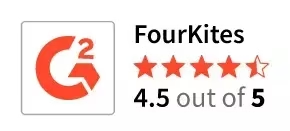
FourKites is one of the most recognized shipment visibility platforms in global logistics.
Key strengths:
- End-to-end shipment tracking
- Predictive arrival estimates
- Ocean, air, rail, and road visibility
- Automated exception management
- Supply chain analytics
The platform helps businesses identify potential disruptions before they affect delivery schedules.
3. Shipsy
Shipsy provides shipment visibility, logistics automation, and transportation management capabilities.
Key strengths:
- Real-time container monitoring
- Automated alerts
- Route optimization
- Carrier performance tracking
- Delivery visibility
Organizations often use Shipsy alongside Delivery Management Software Solutions to improve last-mile visibility and customer communication.
4. Cogoport

Cogoport combines freight booking and shipment tracking into a unified platform.
Key strengths:
- Ocean freight tracking
- Freight management tools
- Shipment documentation support
- Visibility across global trade routes
- Container movement updates
The platform is particularly useful for importers and exporters managing international shipments.
5. AfterShip

AfterShip focuses on shipment tracking and customer visibility.
Key strengths:
- Multi-carrier tracking support
- Shipment status notifications
- Delivery monitoring
- Customer communication tools
- Tracking analytics
Businesses with significant eCommerce operations frequently use AfterShip to improve customer shipment experiences.
6. Infor Nexus
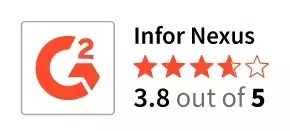
Infor Nexus provides global supply chain visibility and collaboration tools.
Key strengths:
- End-to-end shipment visibility
- Supplier collaboration
- Transportation monitoring
- Event management
- Trade compliance support
Many enterprises integrate Infor Nexus with existing Supply Chain Management Software environments.
7. Kuebix

Kuebix offers transportation management and shipment visibility capabilities.
Key strengths:
- Freight tracking
- Carrier management
- Transportation planning
- Shipment reporting
- Performance measurement
Its platform supports organizations looking to improve transportation efficiency while maintaining shipment visibility.
8. Shipwell
Shipwell combines transportation management with real-time freight tracking.
Key strengths:
- Real-time shipment updates
- Carrier connectivity
- Automated workflows
- Reporting tools
- Freight optimization
The software helps logistics teams reduce manual tracking activities and improve operational efficiency.
9. Ocean Insights
Ocean Insights specializes in ocean freight visibility.
Key strengths:
- Ocean container tracking
- Port event monitoring
- Carrier visibility
- Delay alerts
- Shipment analytics
Businesses with significant ocean freight operations often use Ocean Insights for enhanced maritime shipment visibility.
10. Project44
Project44 is a widely adopted visibility platform supporting global transportation networks.
Key strengths:
- Multi-modal tracking
- Predictive ETA technology
- Real-time alerts
- Carrier connectivity
- Advanced visibility dashboards
Many large organizations rely on Project44 to improve shipment transparency across complex logistics operations.
Comparison of the Best Container Tracking Software for Business
| Software | Real-Time Tracking | Predictive ETA | Multi-Carrier Support | Best For |
|---|---|---|---|---|
| Alpega | Yes | Yes | Yes | Transportation management |
| FourKites | Yes | Yes | Yes | Enterprise visibility |
| Shipsy | Yes | Yes | Yes | Logistics automation |
| Cogoport | Yes | Limited | Yes | Freight management |
| AfterShip | Yes | Yes | Yes | eCommerce tracking |
| Infor Nexus | Yes | Yes | Yes | Global supply chains |
| Kuebix | Yes | Yes | Yes | Freight operations |
| Shipwell | Yes | Yes | Yes | Mid-sized logistics teams |
| Ocean Insights | Yes | Yes | Yes | Ocean freight visibility |
| Project44 | Yes | Yes | Yes | Large logistics networks |
How to Choose the Right Container Tracking Platform
The best solution depends on business requirements, shipment volume, transportation modes, and integration needs.
Consider the following:
- Number of shipments managed monthly
- Geographic coverage requirements
- Carrier network support
- Reporting capabilities
- Integration with existing systems
- Scalability for future growth
- User experience and training needs
Companies evaluating the container tracking software often prioritize visibility, automation, and integration capabilities alongside tracking functions.
It is also important to assess the supply chain management software cost before implementation. Pricing can vary based on shipment volume, number of users, integrations, and additional visibility features.
Organizations investing in broader digital transformation initiatives often evaluate tracking platforms as part of their overall Technology in Supply Chain Management strategy.
Common Benefits of Real-Time Shipment Visibility
Businesses that implement advanced tracking solutions often experience:
- Improved shipment visibility
- Faster response to delays
- Better customer communication
- Reduced manual tracking efforts
- More accurate delivery forecasting
- Better resource planning
- Improved operational efficiency
Some providers are increasingly introducing AI-powered supply chain software capabilities that help predict delays and recommend corrective actions based on historical shipment patterns.
Many organizations also integrate shipment tracking with Inventory Management Software to improve stock planning and reduce inventory shortages.
Companies looking for long-term scalability frequently explore the best SaaS Supply Chain Management Software options because cloud deployment allows easier access to shipment data from multiple locations.
When evaluating implementation budgets, businesses should also consider supply chain software implementation cost, including setup, training, integrations, and ongoing support.
Organizations with specialized requirements may work with Supply Chain Software Development Companies to build custom integrations between tracking systems and existing business applications.
Some businesses operating large yards and distribution facilities may additionally evaluate Free Yard Management Software Solutions to improve container movement visibility within warehouses and logistics hubs.
A modern container tracking system can provide a centralized view of shipment status, helping teams make faster operational decisions.
Likewise, dedicated container monitoring software can help logistics managers receive alerts whenever shipment conditions or schedules change unexpectedly.
Many organizations use Cloud-based Supply Chain Management Software to connect transportation, procurement, inventory, and fulfillment processes within a single digital environment.
As shipment volumes grow, container tracking software provides flexibility for businesses that need access to logistics data across multiple locations and teams.
For companies seeking better visibility and collaboration, container tracking software continues to be an effective approach for managing modern supply chain operations.
For more related software reviews, technology guides, and logistics solutions, readers can explore AppsInsight.
Sum up
Real-time shipment visibility has become an important part of modern logistics operations. The right tracking platform can help businesses monitor containers, identify delays, improve customer communication, and make better operational decisions.
Alpega, FourKites, Shipsy, Cogoport, AfterShip, Infor Nexus, Kuebix, Shipwell, Ocean Insights, and Project44 each offer different strengths depending on business requirements. The best choice depends on shipment volume, transportation modes, integration needs, and visibility goals.
By evaluating features carefully and aligning them with operational requirements, businesses can select a tracking solution that supports efficient and transparent shipment management in 2026.
FAQs
What is the best container tracking software in 2026?
Popular options include FourKites, Project44, Alpega, Shipsy, Ocean Insights, and Infor Nexus due to their real-time visibility and carrier connectivity features.
How does container tracking software work?
The software collects shipment data from carriers, ports, GPS systems, and logistics partners to provide real-time container status updates.
Is container tracking software suitable for small businesses?
Many providers offer scalable plans that support both small businesses and large enterprises.
How much does container tracking software cost?
Costs vary depending on shipment volume, integrations, features, and deployment requirements. Pricing models may include subscriptions or enterprise licensing.
Can container tracking software reduce shipment delays?
While it cannot prevent all delays, it helps businesses identify issues earlier and take corrective action before disruptions become more serious.