
For more than a decade, enterprise HCM (Human Capital Management) software has transformed how organizations manage recruitment, payroll, performance, and employee engagement. Yet one massive workforce segment remains underserved: frontline employees—the deskless workers in manufacturing plants, hospitals, warehouses, retail stores, transportation fleets, and field operations.
While knowledge workers can access HR services through laptops and mobile apps, millions of frontline employees still rely on paper forms, supervisors, shared terminals, or phone calls to complete basic HR tasks. This gap represents one of the largest untapped opportunities in SaaS HR automation today.
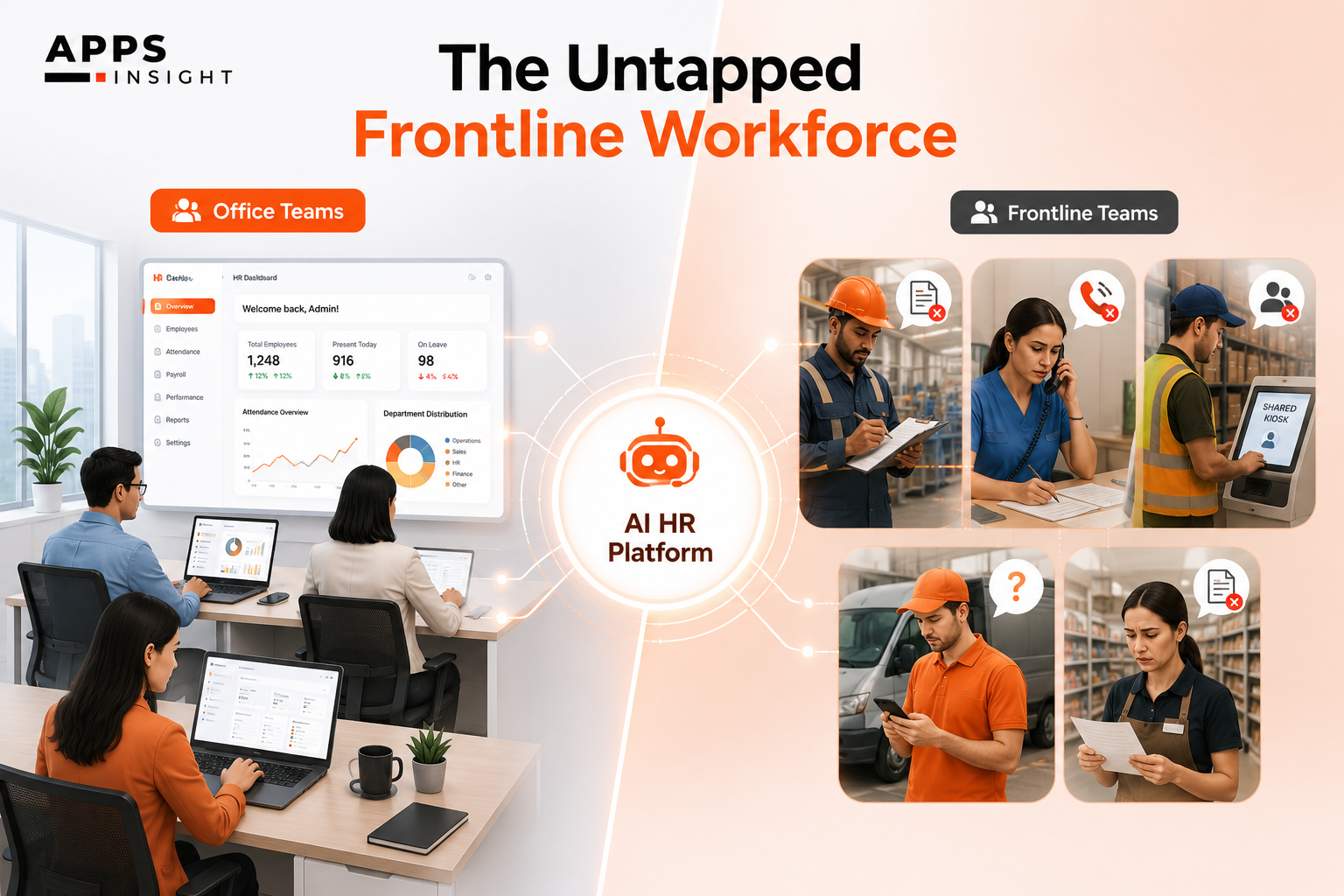
The Office-Centric Design Problem
Traditional HCM platforms were built around an assumption: employees have regular access to a computer, corporate email, and a stable internet connection during their workday. That assumption breaks down in frontline environments, where workers often have limited device access, little time for administrative tasks during shifts, and varying levels of digital familiarity. The result is a “last-mile” problem—the enterprise HCM system may contain all the necessary functionality, but the people who need it most cannot easily reach it.
A Massive Opportunity Hidden in Plain Sight
Frontline employees account for the majority of the global workforce. Manufacturing operators, nurses, warehouse associates, delivery drivers, retail staff, hospitality workers, and field technicians collectively represent one of the largest labor segments in the world. Yet most HR technology investment has historically focused on office-based employees.
As labor shortages intensify and compliance requirements become more complex, organizations are realizing that improving the frontline employee experience has a direct impact on retention, productivity, and operational efficiency. In many cases, the biggest gains no longer come from automating headquarters workflows—they come from digitizing the daily interactions of deskless workers.
The Rise of AI-Powered Employee Self-Service Kiosks
A new category of software is emerging to solve this problem: AI-powered Employee Self-Service kiosks.
Unlike traditional time clocks or static HR terminals, modern kiosks combine touchscreen access, secure authentication, multilingual support, and AI-driven workflow guidance. They bring HR services directly to the shop floor, hospital corridor, warehouse break room, or logistics hub, effectively extending enterprise HR systems to employees who previously had limited access.
Through a single kiosk, a frontline worker can view pay slips, request leave, update personal information, correct attendance records, complete safety acknowledgments, and access training modules. Instead of waiting for HR office hours or filling out paper forms, employees can complete these tasks independently in minutes.
We have listed! Workforce Management Software
Why AI Changes HR Service Delivery
Traditional self-service portals often fail because employees do not know where to find a form or how to complete a process. AI-enabled kiosks act more like digital HR assistants.
Employee:
“I need next Friday off.”
AI Kiosk:
“You have three vacation days available. Would you like to submit a leave request for Friday, July 24?”
Employee:
“Yes.”
AI Kiosk:
“Your request has been submitted and sent to your supervisor for approval.”
This conversational approach reduces training requirements and increases adoption among workers who may be less familiar with enterprise software interfaces. The kiosk becomes a guided service channel rather than just a digital form repository.
Industry Impact Across Manufacturing, Healthcare, and Logistics
In manufacturing, kiosks help employees manage shift changes, overtime approvals, and safety documentation without leaving the production floor. In healthcare, they support credential verification, schedule management, and rapid onboarding of temporary staff. In logistics and warehousing, they streamline attendance corrections, route confirmations, equipment checklists, and payroll inquiries.
Across all three industries, the common benefit is the same: HR services become available where work actually happens.
The Business Case for Frontline HR Automation
For organizations with thousands of frontline workers, the return on investment can be significant. Companies frequently report fewer payroll and attendance errors, faster completion of routine HR transactions, reduced administrative inquiries, and improved compliance tracking. Even small reductions in manual processing can translate into substantial annual savings when applied across large frontline workforces.
Perhaps more importantly, employee satisfaction improves when workers can access HR services on their own schedule rather than navigating paperwork or waiting for supervisor assistance.
Beyond the Time Clock
Many organizations already have physical devices on the frontline. The emerging trend is to transform those devices into full HR service delivery platforms. Instead of simply recording attendance, a modern kiosk can authenticate the employee, display personalized HR information, guide them through transactions, capture digital signatures, and integrate directly with systems such as Workday, UKG, SAP SuccessFactors, Oracle HCM, or ADP.
This creates a consistent employee experience regardless of whether a worker sits at a desk or operates a forklift.
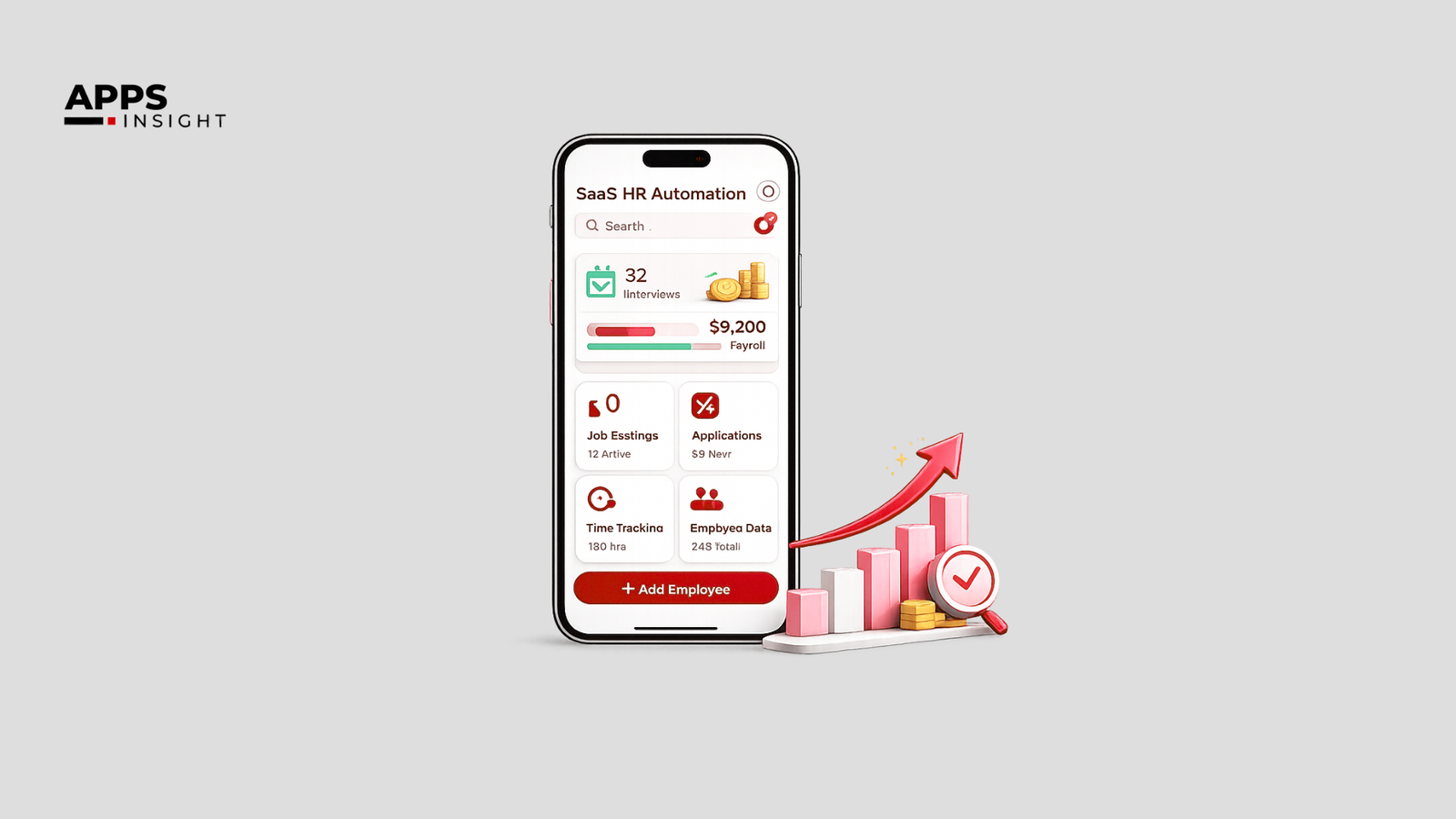
The Future of SaaS HR Automation
The next phase of HR technology growth will not come from adding another feature for office workers. It will come from extending digital HR services to the millions of employees who have historically been excluded from self-service automation.
AI-powered Employee Self-Service kiosks are becoming the bridge between enterprise HCM platforms and the frontline workforce. They enable organizations to deliver payroll access, scheduling, leave management, compliance workflows, and employee support directly where work happens.
In that sense, the frontline workforce is not just another user segment—it is the largest remaining expansion opportunity in SaaS HR automation. Companies that invest in modern HR service delivery for deskless employees will gain advantages in operational efficiency, workforce engagement, and long-term retention across manufacturing, healthcare, logistics, and other frontline-intensive industries.